

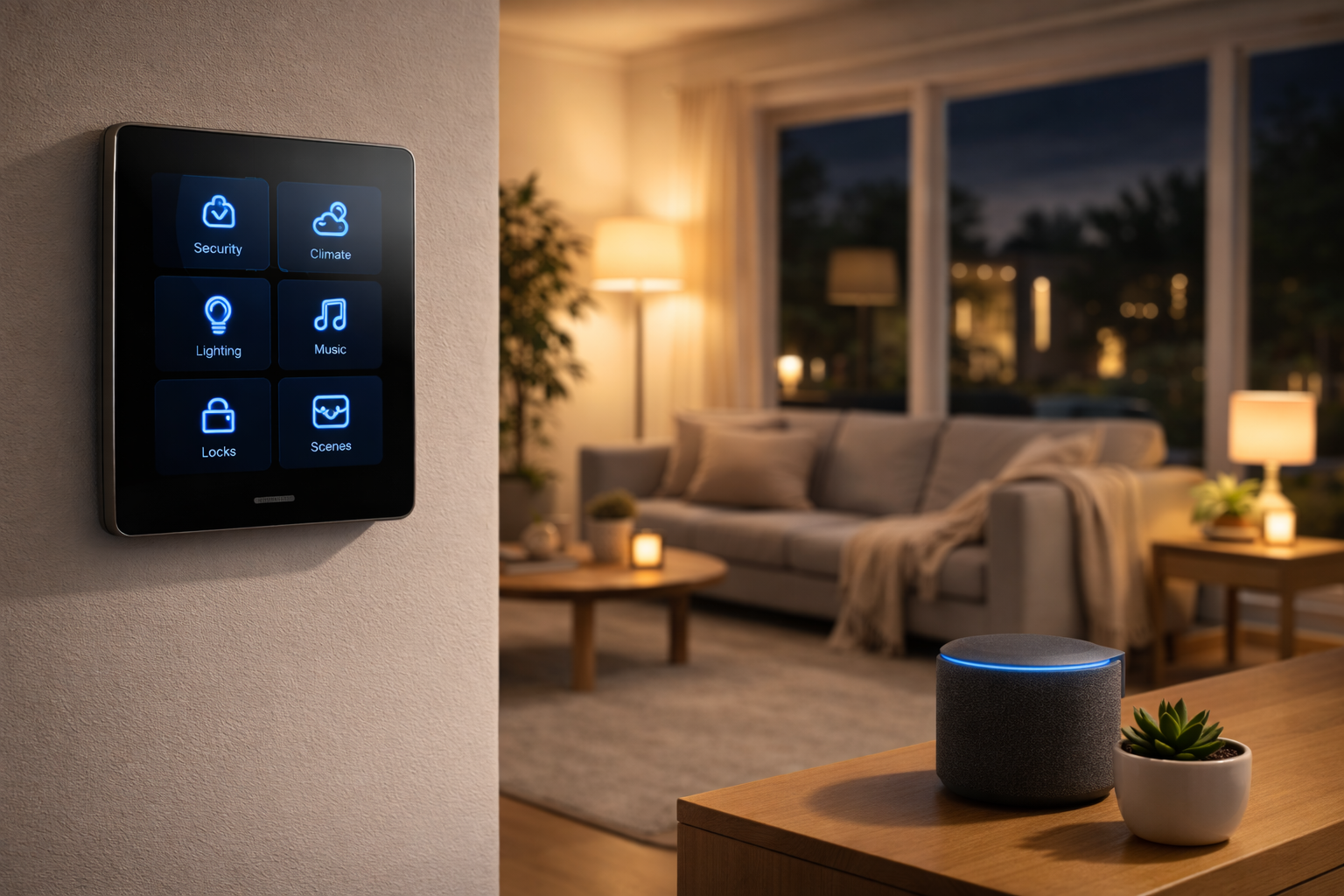
Smart home automation is rapidly transforming how we live, but it is important to balance the hype with practical realities, costs, and compatibility issues. In 2024, whether you want convenience, better security, or energy efficiency, automating your home takes planning and know-how.
Key Takeaways
- The smart home automation market is booming worldwide, fueled by wireless technology, but seamless compatibility and concrete benefits still face limitations.
- Common challenges include unclear costs, integration headaches, and lack of hard data on measurable energy or security improvements compared to traditional homes.
- Focusing on device compatibility, realistic expectations, and strategic planning is critical for a successful smart home setup in 2024.
- What Is Smart Home Automation and Why Should You Care?
- Step-by-Step Guide: How to Start with Smart Home Automation (2024)
- Advanced Analysis & Common Pitfalls
- Conclusion
- Frequently Asked Questions
What Is Smart Home Automation and Why Should You Care?
Smart home automation is a system where connected devices—like thermostats, cameras, lights, and locks—can be controlled and automated via smartphones, voice assistants, or triggers. The goal is to make your home more secure, comfortable, and energy efficient, all while saving you time.

In 2024, smart home automation isn’t just for tech enthusiasts. Recent research shows the global smart home automation market reached USD 94.03 billion and is projected to grow at a compound annual growth rate (CAGR) of up to 27.0%, depending on the estimate you reference.
[SNS Insider],
[GM Insights]
This robust expansion is driven by the rise in wireless device usage, increasing internet penetration, and greater public demand for energy savings and safety.
For anyone seeking to simplify everyday routines or reduce waste, a smart home can be a powerful solution. However, with so many choices and technical standards like Wi-Fi, Zigbee, and Z-Wave driving the market, consumers often experience both the excitement and the headaches of new technology.
Step-by-Step Guide: How to Start with Smart Home Automation (2024)
Taking the leap into home automation may seem overwhelming, but you can avoid costly mistakes with some planning. Here’s your action-ready blueprint for building a functional smart home system that actually works.
- Assess Your Needs and Priorities
Make a list—do you want lighting control, security monitoring, or energy savings? Prioritize the rooms and features that matter most to your daily life. - Research Ecosystem and Device Compatibility
Choose your preferred platform—Amazon Alexa, Google Home, or Apple HomeKit—and check which devices natively support it. Look for devices using popular wireless protocols: Wi-Fi, Zigbee, Z-Wave, or Bluetooth, as wireless tech dominated the market by 61.8% in 2024
(source). - Create a Budget
Although the exact upfront and ongoing costs in 2024 are often unclear, calculate for hubs ($60-150), smart thermostats ($100-300), smart bulbs ($10-40 each), security cameras ($40-200 each), and monthly cloud storage ($3-20, if needed). Plan for future maintenance and software subscriptions. - Start Small and Scale Up
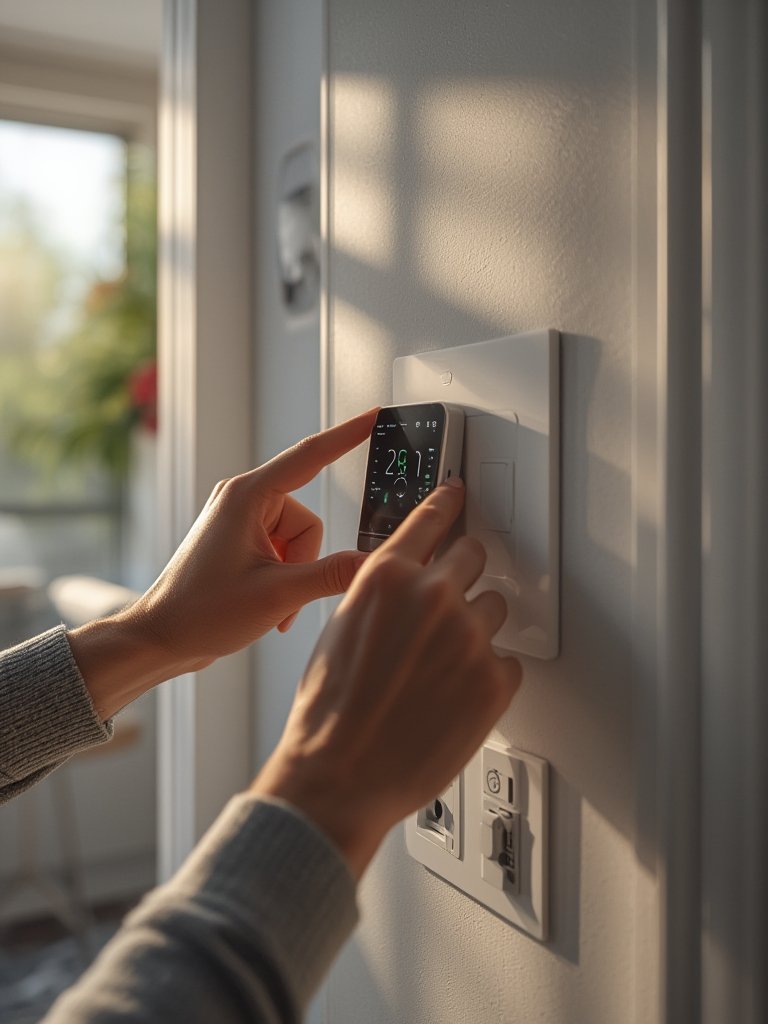
Begin with the room you use most or a single smart device, such as a thermostat or voice assistant speaker. This minimizes initial spend and reduces overwhelm. - Integrate Automation Routines and Monitor Performance
Create simple rules—like turning lights on at sunset—or let your system learn behaviors over time. Monitor energy usage and device reliability to spot issues early. - Consider Security and Privacy
Change default passwords, enable 2FA (two-factor authentication), and routinely update firmware.
As you grow your setup, research practical advice from related resources. For example, you may want to pair smart gardening setups with your home system for eco-friendly living—see
How to Grow Vegetables at Home: Easy Beginner’s Guide [2025] or
Exploring Eco-Friendly Home Products: Ultimate Guide [2025] for actionable sustainability tips.
Don’t forget the value of creating comfortable and joyful living spaces—automation can support
Creative Bedroom Lighting Ideas and
7 Outdoor Patio Design Ideas to Transform Your Space [2025] as well.
Advanced Analysis & Common Pitfalls
Despite rapid market growth, adopting smart home automation is rarely plug-and-play. Here’s a realistic rundown of frequent real-world issues you could face:
- Device Compatibility Woes: Not all devices from different brands or technical standards (like Zigbee vs. Z-Wave) work smoothly together. Absence of universal standards like Matter makes integrations tricky.
- False Assumptions About Energy Saving: While energy efficiency is a leading trend
(source), there is no hard data proving significant savings over traditional homes for every user. - Hidden and Ongoing Costs: Products advertise easy set-up, but users often discover extra costs—such as professional installation, device upgrades, cloud subscriptions, and software licensing—over time.
- Security and Privacy Risks: Unsecure networks and default passwords can expose your home to hacking risks.
- Complex App Ecosystems: Switching between multiple device apps for different brands frustrates many users, especially when routines break after updates.
| Aspect | Smart Home Automation | Traditional Home |
|---|---|---|
| Initial Cost | Moderate to High (devices, hubs, installation, subscriptions) | Low (standard appliances, manual systems) |
| Ongoing Cost | Varies (software, cloud storage, replacement parts) | Minimal (routine maintenance) |
| Convenience | High (automation, remote access, scheduling) | Low (manual operation) |
| Energy Efficiency | Potentially higher, but no definitive data | Standard efficiency levels |
| Security | Improved (remote monitoring, alerts), but risk of hacking | Physical locks only, no remote access |
| Learning Curve | Moderate (app management, troubleshooting, updates) | Low |
For homeowners with pets, integrating sensors and automation is possible—see
10 Best Pet-Friendly Home Improvement Ideas for a Happy Home [2025]—but always research each device’s features and compatibility with your ecosystem.

Conclusion
Smart home automation can increase comfort, convenience, and maybe even savings—if you plan strategically and keep expectations realistic. Start small, prioritize security and compatibility, and always monitor real benefits for your household. With the right approach, smart home automation becomes an asset—not a hassle. Ready to upgrade? Start your journey today by researching your main ecosystem and mapping out your first devices.
Frequently Asked Questions
How much does a complete smart home automation system cost in 2024?
Costs vary widely based on system scope, but expect to pay $500 to $2500+ upfront for a moderate setup. Single devices like smart thermostats are $100-300. Ongoing expenses include cloud storage ($3-20/month) and possible maintenance or upgrades.
Which smart home protocol is best for compatibility?
Wi-Fi is the most universal, but Zigbee and Z-Wave are very popular for reliability and mesh networking. Check device support for your chosen main ecosystem (Alexa, Google Home, etc.).
Are smart home systems really more energy efficient?
Energy efficiency is a leading trend, but concrete data comparing savings to traditional homes is still limited. Key benefits often come from user habits—such as automating lights and climate settings.
How do I keep my smart home secure?
Always change default passwords, enable firewall protection, keep device firmware updated, activate two-factor authentication, and monitor system logs for unusual activity.
Can I integrate garden management or pet solutions with home automation?
Yes. Many smart home hubs support sensors and automation for gardening or pet doors. Research device compatibility before purchase, and explore in-depth resources like this gardening guide.