

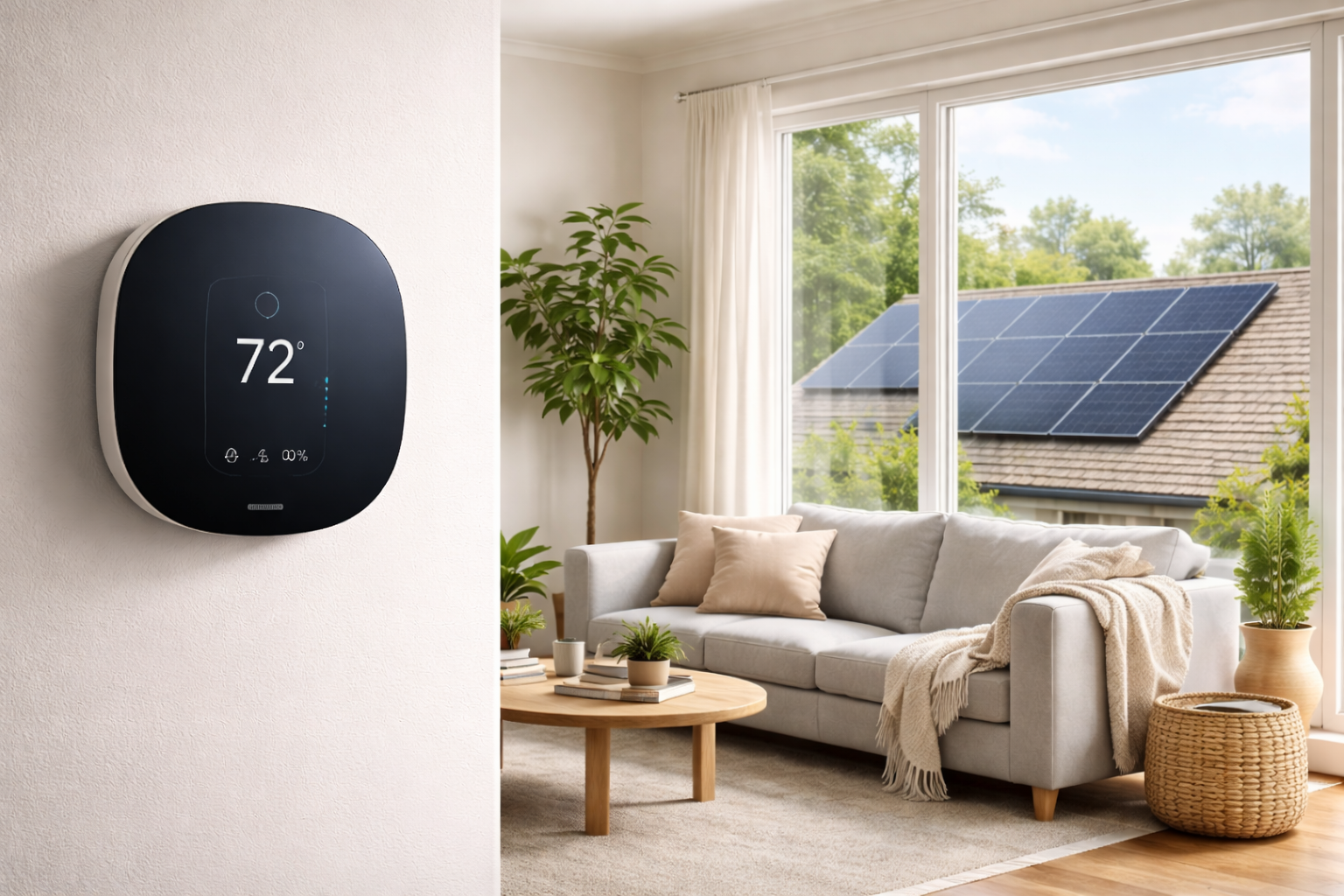
Energy efficient home upgrades are the most reliable way to cut your utility bills and increase property value in 2025. But not all upgrades deliver the same payback, and many homeowners get lost in the maze of choices, costs, and incentives. This guide cuts through confusion with proven data, candid advice, and actionable steps based on the latest research.
Key Takeaways
- Insulation and air sealing give the fastest payback, while windows, HVAC, and solar offer bigger long-term savings but require more upfront investment.
- Federal, state, and utility incentives can accelerate ROI, but navigating them is often the biggest challenge for homeowners.
- Prioritize upgrades based on your home’s needs, local climate, and available rebates for maximum energy and cost savings.
- Understanding Energy Efficient Home Upgrades
- Step-by-Step Guide: Planning and Implementing Upgrades
- Advanced Analysis & Common Pitfalls
- Conclusion
- Frequently Asked Questions
Understanding Energy Efficient Home Upgrades
Energy efficient home upgrades are intentional improvements–from insulation to HVAC system replacement–that reduce energy waste and help you save money. They can involve smaller projects, like weatherstripping or LED lighting, or major investments such as installing high-efficiency heat pumps, new windows, or even solar panels.
The big why: In 2025, even modest upgrades can immediately lower monthly bills and improve home comfort. Most importantly, a sequence of intelligent upgrades can make your home more resilient to rising energy costs and add resale value. According to the U.S. Department of Energy, improving energy efficiency reduces heating and cooling loss, lowers emissions, and trims wasted electricity. However, ROI varies widely based on your region, your home’s baseline, and your ability to stack incentives.

Step-by-Step Guide: Planning and Implementing Upgrades
1. Start With an Energy Audit
Schedule an energy audit with a certified pro or use a DIY checklist. Look for drafty spots, inefficient appliances, and rooms that get too hot or cold. The audit will help prioritize your upgrades for the fastest payback.
2. Prioritize Envelope Improvements
Research shows that sealing leaks and upgrading attic insulation is the fastest-return project for most homes. Start here to lock in quick wins and make future upgrades more effective.
3. Replace Old Windows (if needed)
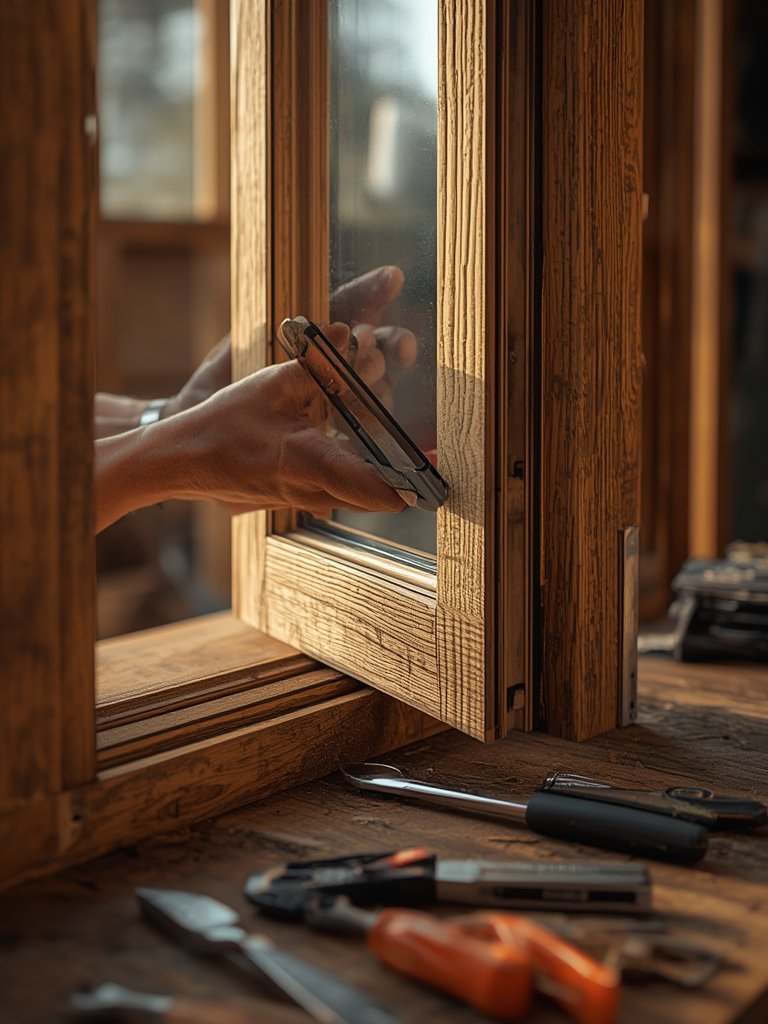
If your windows are single-pane or leaky, swapping them for ENERGY STAR models can save 15-25% on heating and cooling bills as reported by window specialists. This upgrade has a longer payback, so prioritize it primarily if your windows are truly inefficient or you’re already planning other renovations.
4. Upgrade HVAC System & Consider Heat Pumps
Heating and cooling eat up about half your utility costs. If your HVAC is more than 12-15 years old, upgrading to a high-efficiency unit or heat pump saves money and can deliver around 66% or more of the replacement cost in resale value according to industry studies.
5. Install LED Lighting and Smart Controls
LED bulbs often pay for themselves in under three years and last up to 15 years. Add smart thermostats for extra savings, but beware: their savings depend on proper programming and user habits. For more guidance on smart automation, see our Smart Home Automation Guide.
6. Evaluate Solar Panels
Solar provides the biggest lifetime savings for homes in sunny regions with high electric rates. Average installed costs are about $31,460 for an 11 kW system (before the 30% tax credit), with lifetime savings ranging from $20,000 to $90,000 depending on where you live. Check for state and utility rebates in addition to federal incentives.
7. Leverage Rebates and Incentives
The federal Energy Efficient Home Improvement Credit offers up to $1,200 per year for most upgrades, with up to $2,000 for heat pumps. Many states and utilities add extra rebates–these savings can stack, so get familiar with local programs before scheduling major work.
For more eco-conscious home ideas, check out our Eco-Friendly Home Products Guide.
Advanced Analysis & Common Pitfalls
Common Homeowner Challenges
- Confusing incentives: Federal, state, and utility rebates all have different rules and annual caps. Many homeowners miss out on free money simply because the paperwork is too confusing or they aren’t aware of which upgrades qualify; the DOE’s guidance can help.
- Poorly sequenced improvements: Upgrading HVAC before sealing air leaks or insulating may lead to buying an oversized unit and missing out on extra rebates.
- Installation headaches: Some projects, like replacing windows or HVAC, can disrupt your home life for days and involve unexpected complications.
- Unrealistic expectations: Heat pumps in cold climates may not deliver the toasty gas-furnace feel without backup heat, and poorly programmed smart thermostats often underperform.
Comparison Table: Typical ROI and Payback by Upgrade
| Upgrade | Typical ROI / Savings | Average Payback | Common Pitfalls |
|---|---|---|---|
| Insulation & Air Sealing | ~18.5% annual ROI | 1–3 years | Skipping audit; ignoring attic/crawlspace leaks |
| Energy-Efficient Windows | 15–25% lower HVAC bills | Longer (often 6–12+ years) | Payback slow in mild climates; installation mess |
| HVAC/Heat Pumps | 60–66% ROI (first year + resale) | 3–7 years* | Sizing errors; higher costs if envelope not fixed first |
| LED Lighting | Up to 100% ROI in 3 years | <3 years | Cheap bulbs may fail prematurely |
| Solar Panels | $20,000–$90,000 lifetime savings | 10–15+ years | High upfront cost; maintenance/roof issues |
Neglected Details That Hurt ROI
- Overlooking regional incentives: State or local rebates often dwarf federal ones, but few resources provide side-by-side comparisons (see example).
- Missing out on staging: Doing envelope upgrades up front can shrink HVAC or solar system sizing and cost, but few homeowners or contractors show the numbers for staged projects.
- Assuming labeled efficiency equals real-world savings: Correct sizing, installation, and usage patterns are as important as nameplate ratings. Always verify contractors’ calculations and check customer reviews.
- Focusing only on upfront cost: Maintenance and potential repair expenses (especially for solar inverters or failing window seals) can affect total long-term ROI.
Looking to tackle more than just energy upgrades? Our Essential Garden Tools Guide and Vegetable Growing Guide for Beginners are practical resources for all-around home improvements.

Conclusion
Prioritizing energy efficient home upgrades is one of the highest-ROI projects a homeowner can tackle in 2025. Start with envelope fixes, optimize mechanical systems, and stack every available incentive. Be methodical, skip the hype, and you’ll secure real savings, year after year. Ready to make a plan? Research your rebates, get a trusted audit, and invest smartly in your own efficiency roadmap. Want more inspiration? Explore Outdoor Patio Design Ideas or our Minimalist Home Decor Ideas to improve comfort and value in every corner of your home.
Take action today and let your next energy efficient home upgrade pay you back for years to come.
Frequently Asked Questions
How do I know which energy efficient home upgrades to do first?
Start with an energy audit to pinpoint where your home loses the most energy. In most cases, sealing leaks and upgrading insulation should come before big-ticket items like windows or a new HVAC system. Prioritize based on payback, comfort needs, and available incentives.
What rebates or tax credits are available in 2025?
The federal Energy Efficient Home Improvement Credit gives $250-$1,200 per year for most upgrades and $2,000 for heat pumps. You can also get a 30% tax credit for solar installations. Many states and utilities offer additional rebates, which you can search for locally before starting any project.
Do energy efficient windows always pay back quickly?
No. Efficient windows can lower heating and cooling bills by 15-25%, but they’re a long-term investment. Payback is slowest in mild climates or if your current windows are already double-glazed. In older homes with single-pane windows and extreme climates, payback is faster.
Can I do upgrades in stages, or do I need to do everything at once?
You can and often should stage upgrades. Start with basic envelope improvements, then assess HVAC or solar when your needs and potential savings are clearer. Spreading upgrades out also lets you maximize multi-year tax credits and avoid overwhelming disruptions.
What certifications should I look for when choosing products?
Always check for ENERGY STAR labels. For insulation, look at R-value; for windows, check U-factor and SHGC. For HVAC, confirm SEER and HSPF ratings meet 2025 efficiency minimums. Hire licensed contractors experienced with rebates and regional weather.