

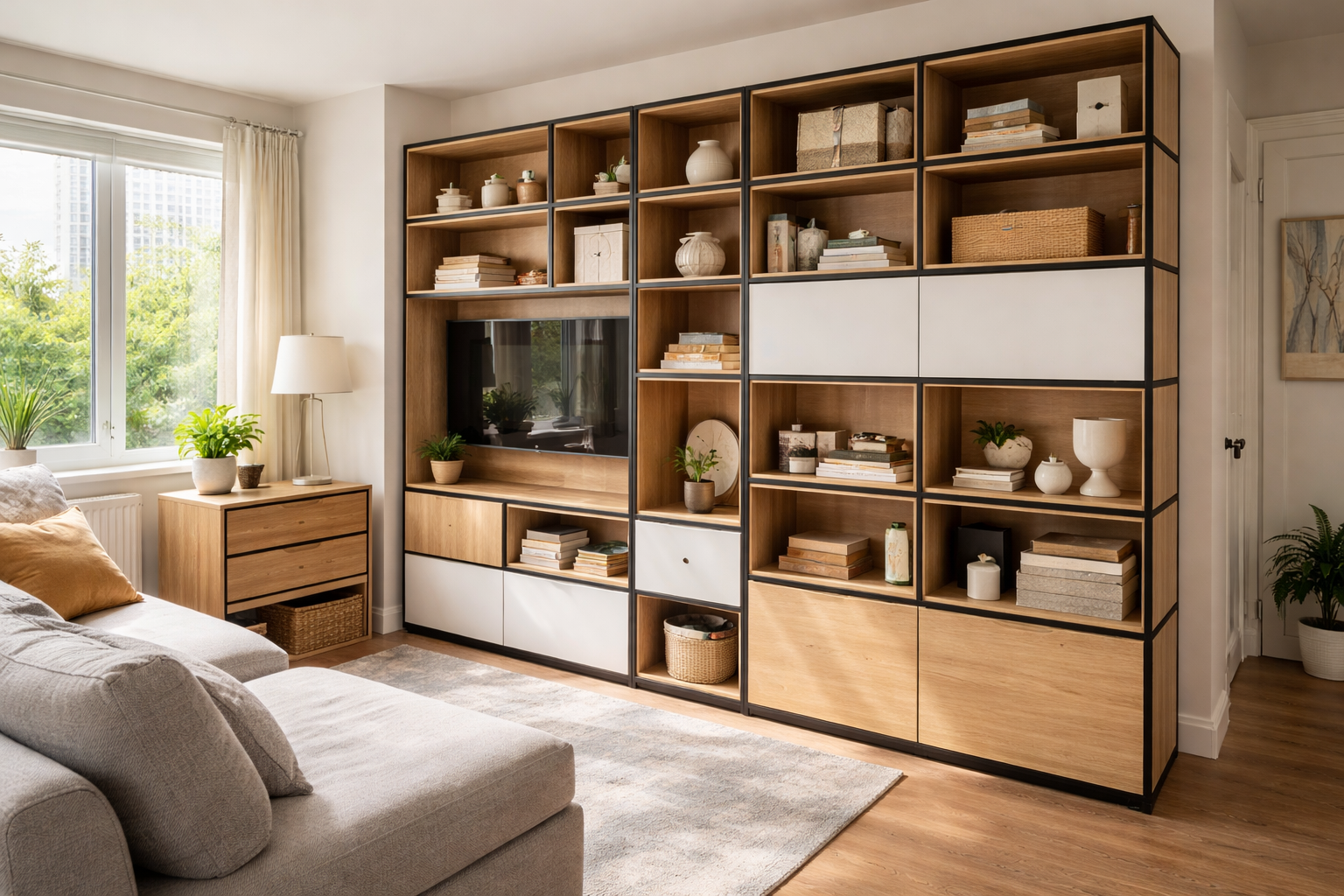
Modular storage solutions are transforming the way homeowners and renters maximize every square foot, especially in small spaces where traditional shelving and bulky cabinets just do not fit. Constant innovation, flexibility, and a strong focus on customization drive the market. Still, for many, the process of choosing, configuring, and installing modular storage can feel overwhelming or even risky without proper planning. This guide explains how to make modular storage work for you—backed by the latest market data, actionable steps, and tips for avoiding common mistakes.
Key Takeaways
- The modular storage solutions market is projected to be worth over $3.8 billion in 2025 and is growing steadily (source).
- Metal remains the top material for modular systems thanks to durability, but trends point toward eco-friendly and tech-integrated units.
- Careful planning and creative use of modular systems can dramatically optimize space, but beware of common pitfalls like poor measurement or over-customization.
- What Are Modular Storage Solutions? (& Why They Matter)
- How to Implement Modular Storage Solutions: Step-by-Step
- Advanced Analysis & Common Pitfalls
- Conclusion & Next Steps
- Frequently Asked Questions
What Are Modular Storage Solutions? (& Why They Matter)
At their core, modular storage solutions are systems of racks, cabinets, shelves, or drawers that can be combined and configured to fit nearly any space or need. Unlike fixed cabinets, modular options are adaptable—allowing users to customize not just layout and dimensions but also functions as their storage needs change.
This flexibility is now more important than ever, as the global modular storage market is projected to surpass US$ 3.82 billion in 2025, fueled by urbanization, e-commerce demands, and the rise of small space living. Metal makes up about 42.5% of the market by material, favored for its resilience and load-bearing capability (source). Most importantly, modular systems make it easier to organize belongings efficiently, reduce clutter, and adapt rooms for multifunctional use.

How to Implement Modular Storage Solutions: Step-by-Step
Ready to make small-space living easier? Follow these steps for planning and installing modular storage that truly fits your home and lifestyle.
- Assess Your Needs & Inventory
Make a quick list of what you need to store: books, clothes, kitchen items, sports gear, or gardening supplies. Knowing what you need to organize will guide your choice of modules. For example, gardening enthusiasts can check out essential garden tools: the ultimate list for every homeowner [2025] to envision specific storage for tools or planters. - Map Your Available Space
Use a measuring tape to record dimensions. If your area is awkwardly shaped, sketch a quick layout or take photos from different angles. This step is crucial for apartments and studios where every inch matters. For inspiration in maximizing your living environment, minimalist home decor ideas: simple style [2025] can spark creative solutions. - Select System & Material
Choose between metal (most durable and load-bearing), engineered wood or plastic. For small living spaces, consider lighter materials that can be easily moved or reconfigured. Modular racks, cabinets, and drawers are the most versatile. - Pick Modules & Accessories
Opt for a mix: cubbies for shoes, pull-out drawers for hidden storage, adjustable shelves for oversized items. Many modular systems now offer AI-driven configuration online for a perfect fit (source). - Install & Test Fit
Assemble your chosen pieces. Most modular units come with easy-to-follow instructions and minimal tools required. If your needs change later—add, swap, or reconfigure parts. - Review and Optimize
After living with your setup for a week, tweak the arrangement. Move modules, raise or lower shelves, or swap bins. This ongoing adjustment ensures long-term satisfaction, especially as your needs change with life events.
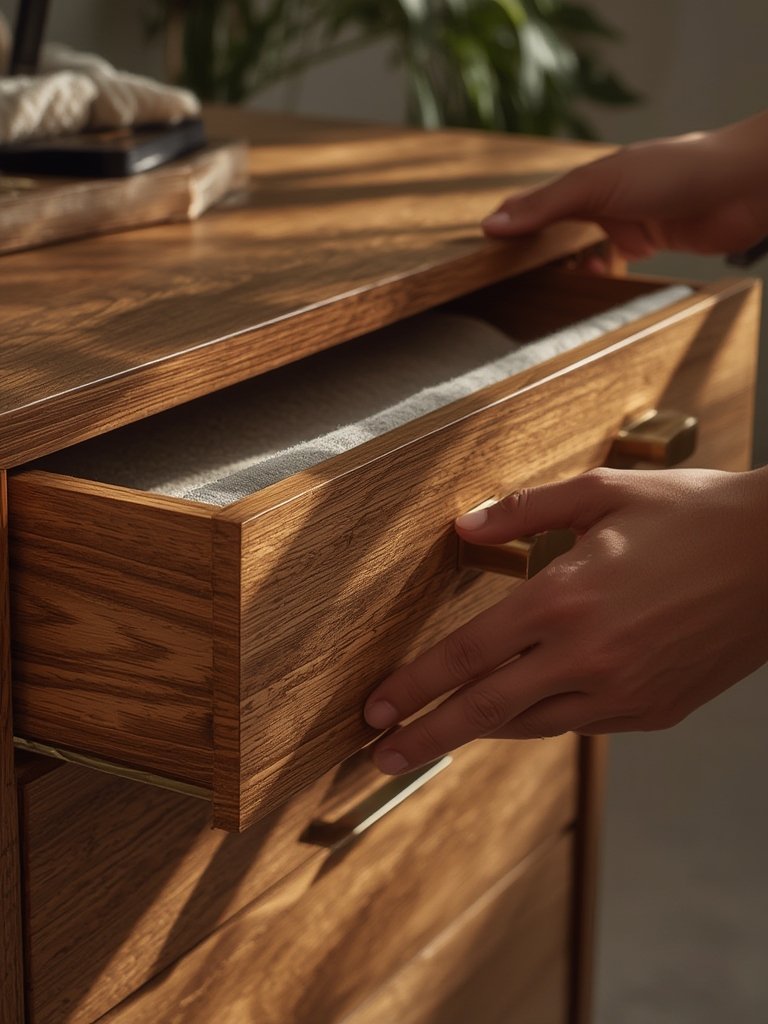
Many users find integrating modular storage with smart home automation and energy efficient home upgrades beneficial for maximizing space and convenience.
Advanced Analysis & Common Pitfalls
Despite the many upsides, there are recurring issues and mistakes users face when adopting modular storage solutions:
- Incorrect Measurements: Many buyers do not measure properly or account for doors, vents, and baseboards, leading to ill-fitting installations.
- Over-Customization: Attempting complex arrangements with too many tiny modules can result in less usable storage and a cluttered look.
- Poor Material Choices: Cheaper plastics lack durability or stability; while metal lasts, it might be too heavy for temporary setups.
- Unrealistic Expectations: Modular storage optimizes space, but it cannot “create” space. You still need to declutter first and accept some limits.
- Ignoring Ongoing Maintenance: Drawers, hinges, or connectors may loosen over time. Regularly check and tighten fittings as part of your routine.
| Aspect | Modular Storage Solutions | Traditional Storage |
|---|---|---|
| Flexibility | Highly reconfigurable, adaptable to changing needs | Fixed setup, cannot easily modify |
| Space Savings | High potential, especially with custom fit | Often wastes vertical or awkward spaces |
| Material Options | Metal (42.5%), wood, plastic, eco-friendly fiberboard | Primarily wood or built-in cabinetry |
| Cost | Moderate to high initial, no long-term cost data available | Often higher upfront, labor-intensive |
| Maintenance | DIY-friendly, easy to adjust or repair | Professional assistance often needed |
Competition from cheaper, ready-to-assemble alternatives can make choosing the right brand or kit tricky. It’s also essential to consider the environmental impact of materials—modern trends in 2025 show growth in bio-degradable, recyclable, and sustainably sourced components. For those sustainably minded, see exploring eco-friendly home products: ultimate guide [2025] for tips on reducing your home’s footprint.
Incorporating modular storage into multi-functional spaces—like combining home office with guest bedroom—will become even easier as AI-driven planning tools and advanced organizational tech become mainstream.
Conclusion & Next Steps
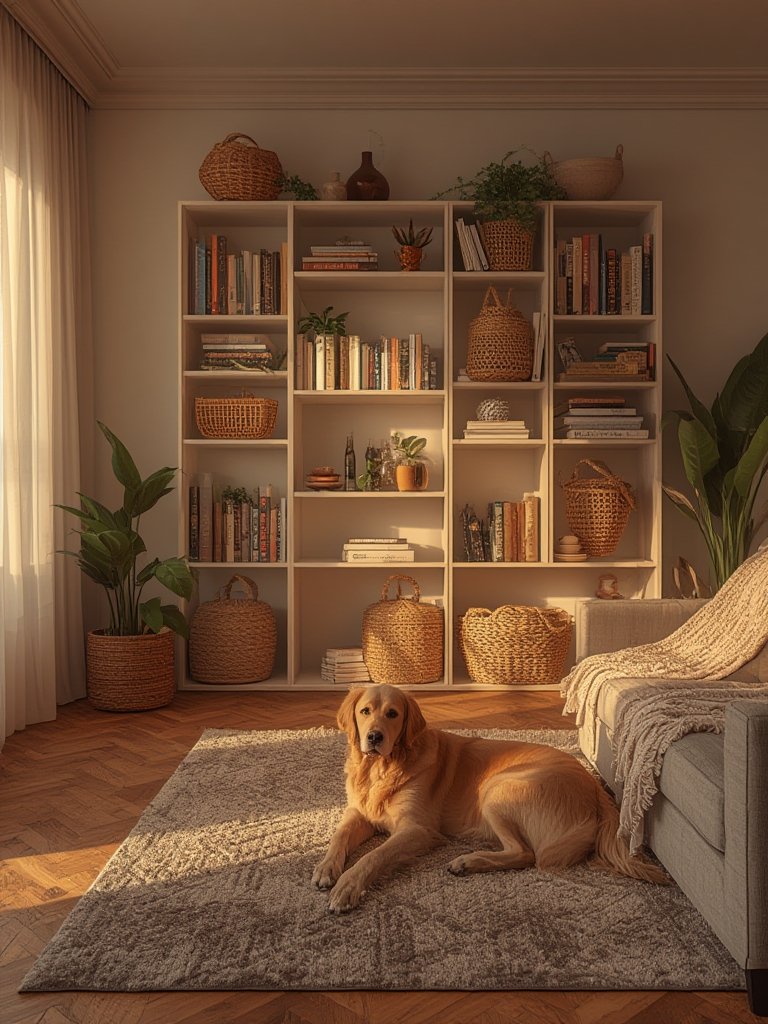
Modular storage solutions are rapidly evolving, enabling even the smallest homes to feel organized and adaptable. If you approach installation with care—measure, plan, and start simple—these systems can be a game changer for how you use and enjoy your space. Whether maximizing a city studio or upgrading your garage, taking advantage of modular systems and the latest trends will keep your home clutter-free for years. Ready to experience the power of modular storage solutions? Start planning your new setup today and see how much space you could reclaim.
If you’re inspired to take your home’s efficiency further, explore DIY home renovation projects: 7 best ways to maximize ROI for actionable project ideas that pair perfectly with a modular upgrade.
Frequently Asked Questions
How much do modular storage solutions typically cost?
Costs vary widely based on materials, brand, size, and features. Entry-level kits for closets start at around $80-$200, while robust, multi-room systems can reach $1,000 or more. Ongoing costs are usually low, limited to occasional replacement parts or accessories.
Are modular storage solutions more efficient than traditional cabinets?
Yes, when chosen and installed carefully, modular storage can optimize space more effectively than fixed cabinets. Their flexibility lets you adapt the setup as your needs and living arrangements change.
What materials are most durable for modular storage systems?
Metal leads the market for durability (over 40%), followed by engineered or solid woods. For lightweight needs, quality plastics can suffice but may lack long-term robustness. Sustainable or recycled material options are growing rapidly.
Can modular storage be integrated with smart home features?
Absolutely. Many new modular products now offer compartments for charging devices, integrated lighting, and compatibility with smart shelving sensors. Read more in our guide to smart home automation.
How do I avoid buying the wrong configuration?
Always measure twice, use online configuration tools, and favor simple setups over overly complex ones. Marking layouts with painter’s tape can reveal unexpected fit or clearance issues before you buy.