

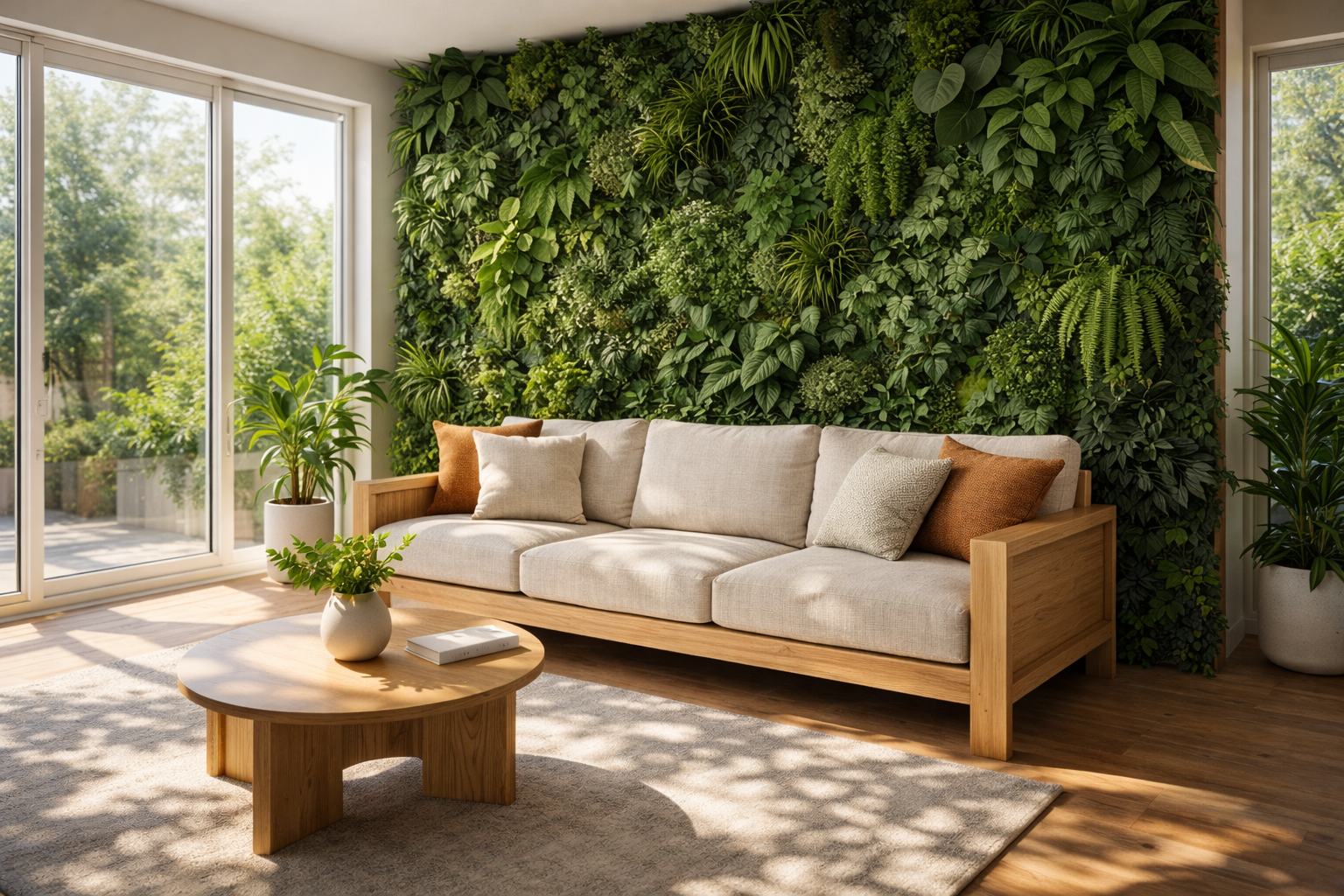
Biophilic interior design is redefining sustainability in today’s homes and workplaces by blending natural elements with responsible materials for improved well-being and environmental impact. In 2025, interest in bringing nature indoors is higher than ever, but what does it really take to get it right—and what should you watch out for?
Key Takeaways
- Biophilic interior design is growing rapidly, but product quality and greenwashing remain major challenges.
- Real, measurable benefits include air quality improvements, productivity gains, and strong mental health impacts.
- Success means choosing durable materials, verifying sourcing, and applying best practices for both residential and commercial settings.
The Core Concept
Biophilic interior design integrates natural materials, greenery, and sensory elements into indoor spaces to foster connections with nature. This design philosophy aims to enhance health, boost productivity, and lower stress by introducing living plants, sunlight, water features, wood, and stone finishes into environments where people live or work.
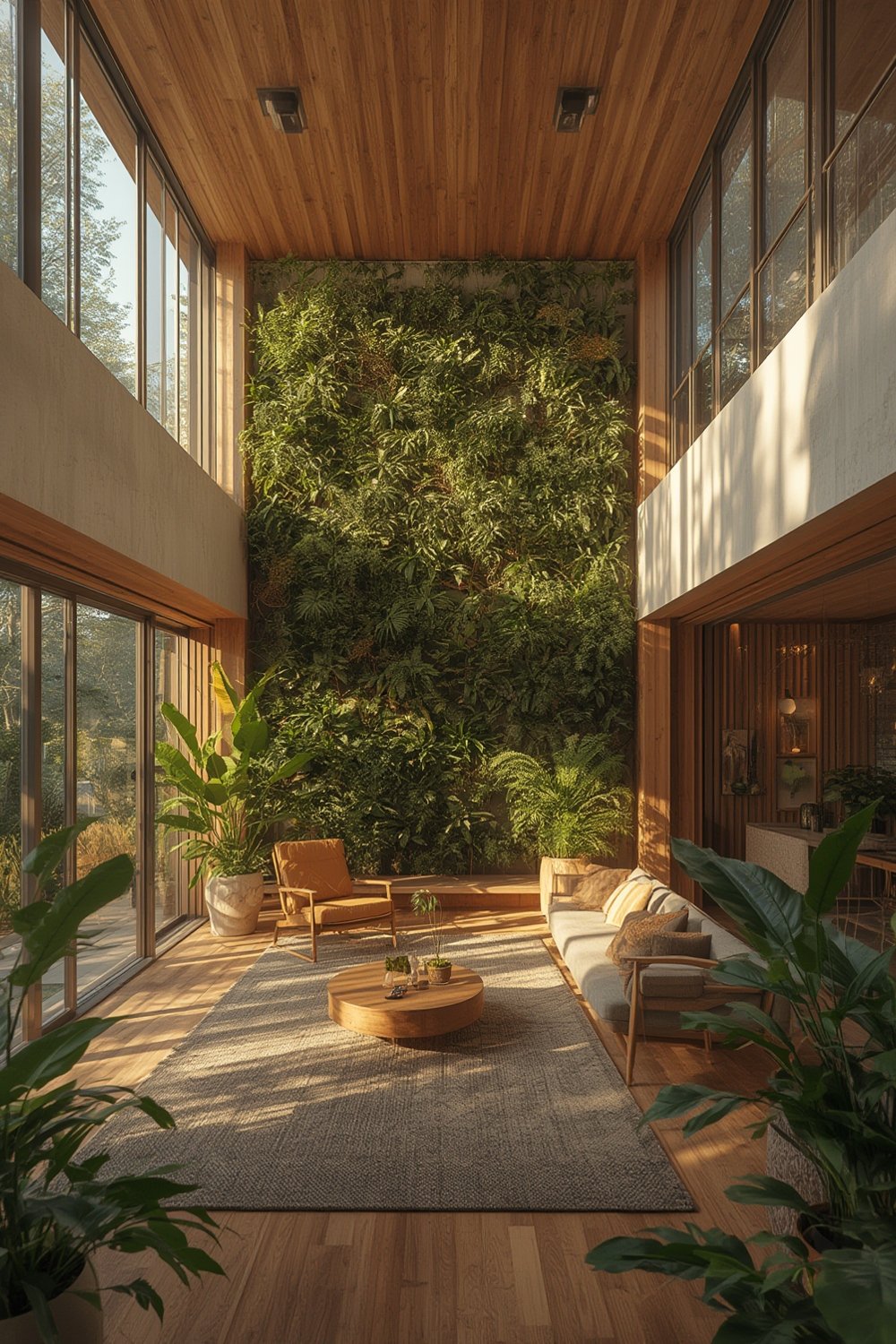
Adoption of biophilic interior design has surged thanks to documented benefits and a strong link to sustainability. The global market is set to reach $3.14 billion by 2028, growing over 10% annually, fueled by demand for nature-inspired, sustainable spaces (source). Close to 70% of homeowners consider natural touches essential in their living spaces (source). This results in practical features like green roofs, living walls, sustainable teak, jute rugs or rattan furniture, and indoor gardens making their way into modern homes and offices.
But as popular as biophilic design is, successful implementation means addressing product quality, authenticity, cost, and sustainability credentials—challenges often underestimated when first bringing the outdoors inside.
Step-by-Step Guide
Ready to design your space with biophilic principles and sustainability in mind? Here’s how to get started, whether you’re a homeowner aiming for a greener living room or a business looking to create a restorative workspace.
- Assess Your Space & Lighting
Start with a room-by-room audit: Where can you maximize daylight, fresh air, and access to views of nature? Note areas that feel dull, dark, or uninspired—these are your targets for transformation. - Select the Right Plants
Choose species based on local climate, lighting levels, and air-purifying qualities. Snake plants, pothos, and peace lilies are hard to kill and clean indoor air. For bigger impact, consider vertical gardens or small potted trees. - Pick Sustainable Materials
Opt for certified wood (like FSC teak), natural fibers (jute, sisal, wool), or stone composites. Avoid plastics or questionable “eco” products—verify certifications and durability. Shop from trusted sources only. - Layer Natural Textures and Colors
Mix organic patterns and colors: jute rugs, bamboo blinds, linen drapes, earth-tone paint. Incorporate water or sound elements and maximize natural light with well-placed mirrors. - Add Smart Features for Scalability
Technology can enhance sustainability: use smart irrigation for plants, automated blinds for natural lighting, or air quality sensors. This is especially important in urban projects and offices.
- Budget & Plan for Maintenance
Account for ongoing care. Choose materials and plants that fit your willingness to maintain them—living walls and vertical gardens look amazing, but neglect can quickly turn them into eyesores. Plants will need watering schedules; natural fabrics should be cleaned gently to avoid fading. - Get Multiple Quotes for Large Projects
If you’re renovating or fitting out a workspace, compare local installers and suppliers who specialize in sustainable biophilic projects. Look for references and case studies, not just price, and ask about previous customer satisfaction—many “eco” providers overpromise, so get all specs in writing. - Monitor & Measure Real Results
Install air-quality sensors, track productivity or mood changes if you’re in a workspace, and ask for feedback after redesigns. Use the data to adapt; swap plants or materials if results aren’t matching expectations.
Want more green living ideas? Explore how to grow vegetables at home: easy beginner’s guide for DIY garden inspiration. You can also view exploring eco-friendly home products: ultimate guide for vetted natural product picks. Tool up for your own project with essential garden tools: the ultimate list for every homeowner.
Advanced Analysis & Common Pitfalls
Not every biophilic project is a success story. Below is a closer look at real challenges and ways to avoid disappointment:
Common Pitfalls from Real-World Installations
- Poor Product Quality & Assembly: Over 29% of plant stands buyers report assembly difficulties, including missing parts. Nearly 12% of jute rug buyers complain of bad packaging and curling edges. If you’re aiming for bohemian touches, you might also face poor adhesive quality in macrame products, leading to early wear or failure.
- Greenwashing & Misleading Marketing: Many “sustainable” products don’t live up to their claims. For example, a jute rug might fade quickly (9.1% report color fading) or end up with a much shorter life than advertised. Always double-check certifications and ask manufacturers about circularity and durability—not just eco-buzzwords.
- Supply Chain and Material Sourcing Issues: With higher global demand, it’s harder to find truly low-impact, durable materials. Recent regulations and shifting certifications for woods or composites (like new FSC requirements) further complicate sourcing and can delay projects source.
- Maintenance Gaps: Living features look great at first but require consistent care. Urban dwellers tend to underestimate the time needed to keep greenery thriving; neglected installations quickly lose their biophilic benefits.
- Technology Gaps in Scaling: While smart irrigation and AI sensors exist, few DIY or smaller commercial installations take full advantage—resulting in wasted energy or ineffective green integration.
- ROI and Cost Ambiguities: Most suppliers promise health and mental benefits, but hardly anyone provides clear ROI or long-term cost breakdowns, especially for residential projects. Commercial tenants may see a 14% rent premium or 15% productivity gains, but data for homes is much less detailed. Only large-scale investors tend to see clear financial returns source.
Comparison Table: Common Biophilic Product Hurdles
| Product/Element | Top Issues | Mitigation Tips |
|---|---|---|
| Jute Rugs | Color fading (9.1%), curling edges (12.4%), poor packaging (12.1%) | Buy from reputable brands; flatten immediately on delivery; avoid direct sunlight |
| Plant Stands | Assembly problems (29.6%), missing parts (9.1%) | Choose brands with robust packaging and verified assembly videos |
| Macrame Decor | Poor adhesive (24%), misleading description (10.4%) | Seek user reviews and avoid “too good to be true” eco claims |
| Recycled Wood Furniture | Questionable sourcing, lack of durability info | Ask for sourcing documents (like FSC); request durability specs |
If you’re planning a holistic home update, combine biophilic design with energy-efficient home upgrades or tap into the latest smart home automation tech for optimized indoor environments.
Conclusion
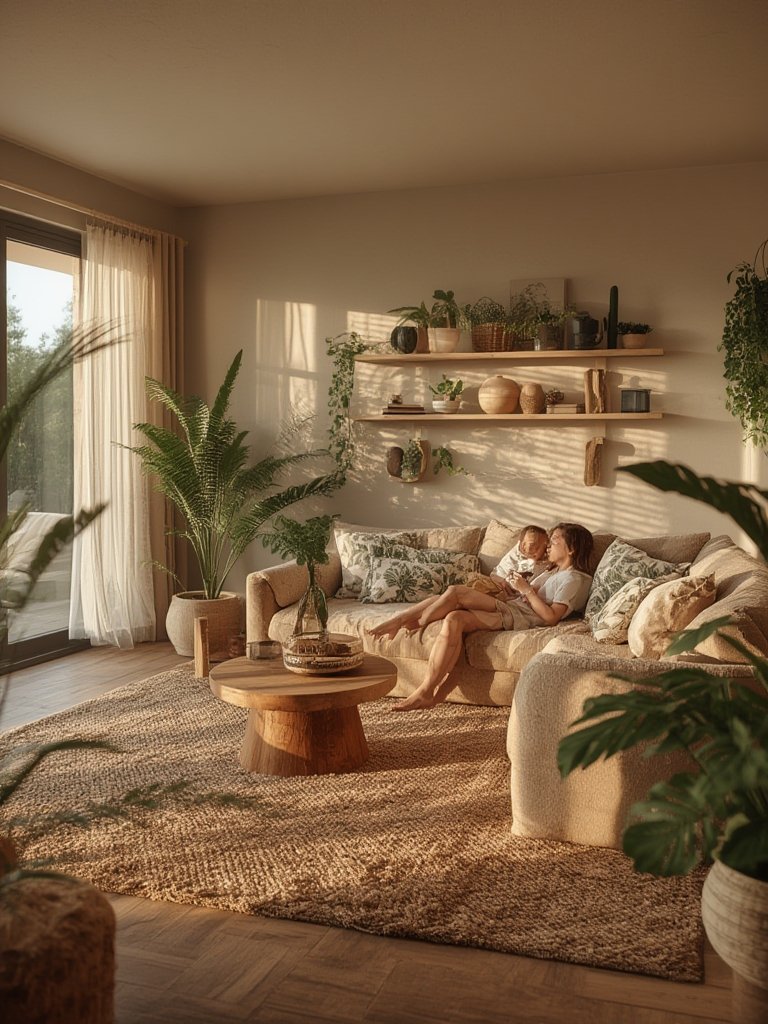
Done right, biophilic interior design is more than just a trend—it is a proven way to create healthier, more enjoyable spaces for people and the planet. But to benefit, you must look past buzzwords, prioritize verified sustainable materials, and set realistic expectations for maintenance and ROI. Start small, measure impact, and don’t hesitate to partner with trusted pros.
For every upgrade, always scrutinize sources and focus on lasting value. Ready to get started? Explore minimalist home decor ideas: simple style to see how nature-inspired design fits seamlessly into today’s living spaces—or check out 7 outdoor patio design ideas to transform your space for more inspiration.
If you want to make a real difference for your well-being and home value in 2025, implement the actionable strategies from this guide, and let biophilic interior design become your blueprint for healthy, sustainable living. Ready to try it out?
FAQ Section
What is biophilic interior design?
Biophilic interior design involves using natural elements like plants, sunlight, wood, and stone to create indoor spaces that mimic outdoor environments. This approach improves air quality, mental well-being, and energy efficiency through nature-inspired layouts and materials.
Are biophilic designs more expensive than standard interiors?
Costs can vary. While some biophilic features—like living walls or premium certified woods—require higher upfront investment, you can also find affordable options like jute rugs and potted plants. Commercial spaces often see stronger ROI, with measurable gains in productivity and rent premiums.
How can I avoid greenwashed biophilic products?
Look for certifications such as FSC for wood, real durability guarantees, and transparent sourcing info. Read user reviews carefully, especially noting repeat complaints about product longevity or misleading marketing.
What maintenance do biophilic elements require?
Plants need regular watering, pruning, and sunlight. Natural materials like jute or wood may require gentle cleaning and avoidance of harsh chemicals to prevent fading or warping. Plan for monthly inspection and cleaning routines for best results.