

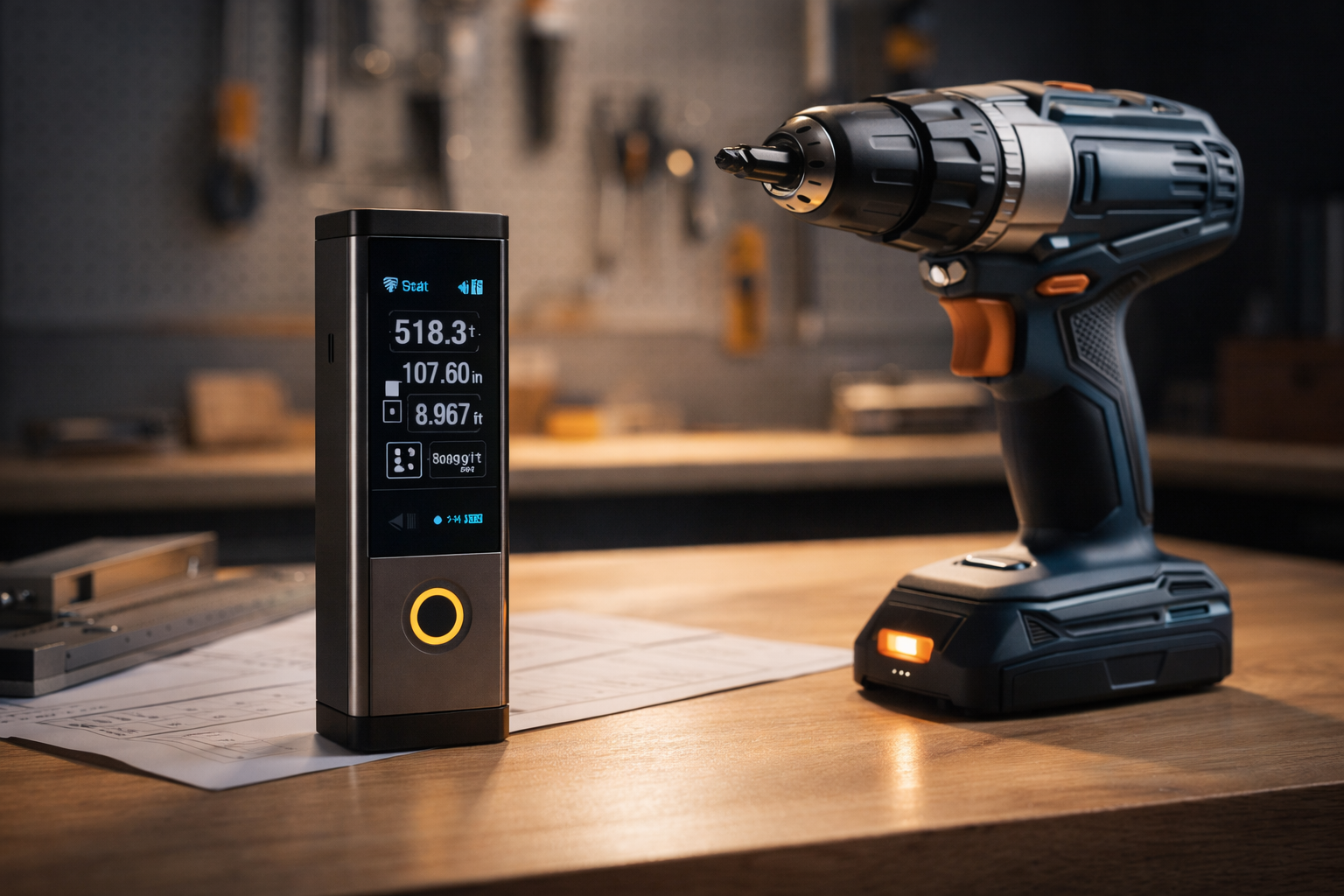
AI powered DIY tools are reshaping the way enthusiasts approach home projects. Whether you’re building, repairing, or designing, artificial intelligence promises faster workflows, more precision, and even project suggestions tailored to your skill level.
Key Takeaways
- There is explosive growth in general AI toolkits and productivity platforms, but little direct data on consumer DIY applications.
- Most high-ranking industry articles skip over real DIY user frustrations, measurable efficiency gains in projects, and security concerns with AI powered DIY tools.
- Open-source AI toolkits like TensorFlow and PyTorch dominate the market due to accessibility and cost-effectiveness, though true DIY-specific options remain scarce.
- What Are AI Powered DIY Tools, and Why Do They Matter?
- How to Start Using AI Powered DIY Tools: A Practical Guide
- Advanced Analysis & Common Pitfalls with AI DIY Tools
- Conclusion
- Frequently Asked Questions
What Are AI Powered DIY Tools, and Why Do They Matter?
AI powered DIY tools use artificial intelligence to automate or enhance tasks commonly tackled by do-it-yourselfers. They range from smart project planning apps and virtual measurement tools to assistants that help with choosing materials or predicting costs. The main goal is to make DIY projects simpler, faster, and more successful—regardless of your experience level.

Why does this matter? The adoption of AI toolkits is skyrocketing globally, with the overall AI development tool software market expected to reach US$9.76 billion in 2025. Most of this growth is in productivity and enterprise tools, but the benefits spill over to home improvement, gardening, and other hands-on projects.
With homeownership rates and interest in DIY home renovation projects at all-time highs, many homeowners look to gadgets or apps to save time and avoid costly errors. Still, despite the promise, true DIY-specific AI assistants remain rare. General open-source AI toolkits, such as TensorFlow and PyTorch, dominate due to flexibility and free access, expected to surpass $95 billion in 2034.
In short, these tools have the potential to unlock new project ideas, recommend the right products, or optimize workflows—if you know how to leverage them for DIY tasks.
How to Start Using AI Powered DIY Tools: A Practical Guide
Whether you’re a weekend hobbyist or a committed homeowner, following structured steps ensures you get the most out of AI powered DIY tools. Here’s a practical walkthrough:
- Identify Your DIY Challenge or Goal: Are you looking to grow vegetables at home, optimize a home remodel, or design a storage solution? Clear goals help filter your choice of tools.
- Research AI-Powered Tools or Apps: Look for tools offering project planners, material estimators, or step-by-step virtual guidance. While few are built for DIY enthusiasts specifically, productivity tools often allow custom project templates. Examples include AI-powered home design apps and smart gardening assistants (many still in early stages).
- Test Open-Source Alternatives: Consider exploring open-source platforms like TensorFlow, PyTorch, or H2O.ai for cost-effective solutions. You can find templates or plug-ins for tasks similar to your DIY focus. While not plug-and-play, communities or GitHub repositories may offer workflows for interior design, garden layouts, or budget estimations.
- Link Tools with Your Workflow: Use integrations—such as exporting recommendations to spreadsheets, connecting design tools to smart automation systems, or pairing with existing project management apps. For smart home or gardening projects, consider syncing with devices featured in guides like smart home automation for the best results.
- Monitor Performance & Adjust: Track metrics relevant to your project—cost, time saved, accuracy, and error reduction. AI tools may need ongoing tuning to fit your personal preferences or local material availability.
- Stay Informed on Security & Privacy: While few consumer-level DIY AI tools exist, always check privacy policies and whether your project data is shared or stored in the cloud. Security is a growing—but underreported—concern for home improvement tech.

For specific project categories—like building essential garden tools collections or designing efficient storage—look for AI tools that offer detailed material lists, best-in-class layouts, or ROI estimates. If you need eco-friendly solutions, some open-source platforms allow custom sustainability filters, a tip you’ll find handy if you want to explore eco-friendly home products.
Finally, track your progress with each tool. Some may excel at suggestions but lack the power to automate, while others might save time but offer generic advice. Adjust your approach as needed, and consider sharing feedback with developers, as DIY applications are often shaped by early adopters.
Advanced Analysis & Common Pitfalls with AI DIY Tools
The explosion of interest in artificial intelligence has created significant market opportunities, yet several key issues plague DIY applications:
- Lack of DIY-Specific Solutions: Most AI powered DIY tools are generic or adapted from enterprise productivity suites rather than built for consumer-grade projects. This results in clunky workflows and limited pre-built templates.
- No User Review Data: There is a notable shortage of honest, DIY-specific user feedback, making it hard to predict real-world results or identify common frustrations. Most online reviews address business or developer use—not hands-on, at-home projects.source
- Efficiency & Success Remain Anecdotal: Measurable, project-level improvements (like time, money, or error reduction) are rarely documented for AI-powered DIY tools. Coverage remains broad, focused more on healthcare, finance, or manufacturing.source
- Security & Privacy Are Overlooked: Most consumer guides—and the software themselves—lack clear info on data privacy or cloud data handling, leaving many unsure about the safety of their project details.
| Feature | AI Open-Source Toolkits (e.g., TensorFlow, PyTorch) | Commercial AI DIY Apps (Nonexistent/Generic) |
|---|---|---|
| Designed for DIY? | No (general, flexible for devs) | Occasionally adapted; rare |
| Ease of Use | Low: Developer-centric | Medium: Some user-friendly interfaces |
| Cost | Free/Open-Source | Often paid, pricing unavailable |
| User Feedback | Focused on developers/enterprises | Little to no DIY reviews |
| Security/Privacy | Managed by installer/user; little guidance | Opaque; unclear privacy terms |
| Customizability | High, if technical skills present | Low to moderate |
If you want to see practical examples of home upgrades inspired by smart technology but not strictly AI, our article on energy efficient home upgrades provides actionable strategies that may integrate with AI-powered platforms in the future.

Conclusion
Homeowners and DIY fans are excited about the potential of AI powered DIY tools, though the market still lacks mature, plug-and-play options specifically for this audience. Open-source toolkits offer customization and freedom, but demand technical know-how. As demand rises and more home-focused solutions appear, expect rapid progress—but stay realistic, and choose carefully. Ready to make your next project smarter? Explore available tools, track your results, and share feedback to help the industry grow.
Frequently Asked Questions
Are there any truly DIY-focused AI tools I can use today?
While general AI toolkits like TensorFlow and PyTorch are widely available, there are currently very few consumer-ready AI tools built strictly for DIY home improvement. Most available solutions must be adapted from productivity or design platforms.
How much do AI DIY assistant subscriptions typically cost?
No reliable pricing data exists for AI DIY assistants. Open-source alternatives are free, but commercial platforms tend to hide prices or focus on business customers. Expect costs to vary widely as new tools emerge.
What privacy risks come with using AI powered DIY tools?
There’s little public reporting on privacy or security risks in consumer DIY AI tools. As most apps rely on cloud AI or data storage, always check what information is collected and if it’s shared with third parties.
What tangible benefits can I expect from AI powered DIY tools?
Potential gains include faster project planning, more precise measurements, budget recommendations, and design visualizations. However, measurable efficiency gains in the DIY market specifically are largely anecdotal at this stage.
Can AI tools help with energy efficient projects at home?
Yes, many smart home and automation apps leverage AI to optimize energy use, often integrating with sensors and smart thermostat installation. For proven strategies, see our guide on smart thermostat installation.