

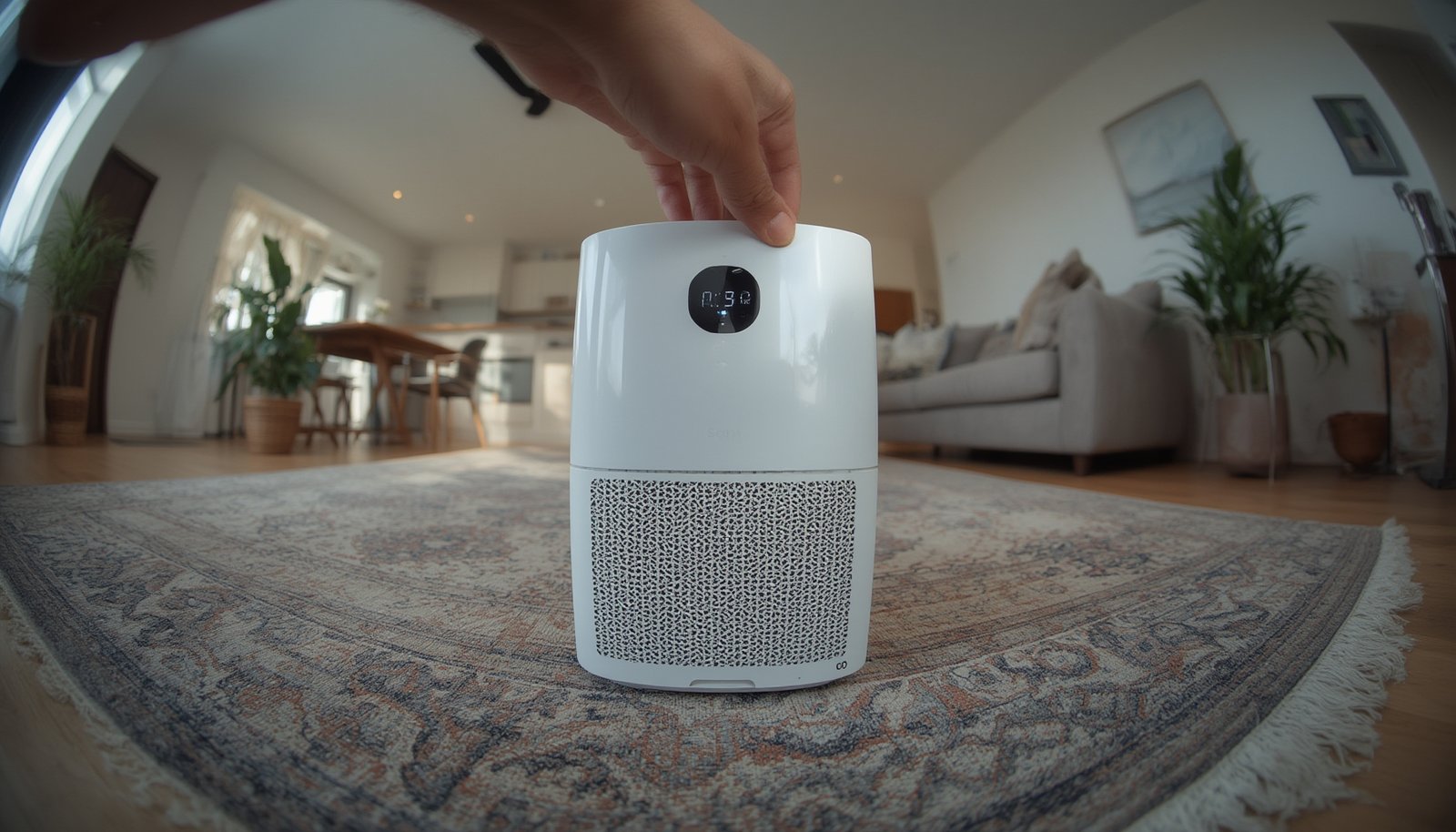
Air purifier co2 sensor technology is reshaping how we manage indoor air quality and cognitive health in modern homes and workplaces. With new studies spotlighting direct links between carbon dioxide (CO2) exposure and cognitive performance, choosing the right sensor is more than a gadget preference—it’s now a key health and productivity strategy.
Key Takeaways
- CO2 levels above 1,000 ppm—detectable by air purifier co2 sensors—can slash cognitive performance by up to 20%.
- Air purifier co2 sensors act as a real-time ventilation guide, alerting when airflow must be improved to keep CO2 at safe, healthy levels.
- Installing and maintaining accurate CO2 sensors avoids misleading readings and helps uphold international indoor air quality standards.
- Understanding Air Purifier CO2 Sensor Technology
- Step-by-Step Guide: How to Optimize Air Purifier CO2 Sensors at Home
- Advanced Analysis & Common Pitfalls of Air Purifier CO2 Sensors
- Conclusion
- FAQ
Understanding Air Purifier CO2 Sensor Technology
Air purifier CO2 sensors integrate real-time carbon dioxide monitoring with modern home air purification. These smart sensors continuously detect the concentration of CO2 (measured in ppm), giving you actionable data to improve indoor air quality and maintain safe, comfortable living spaces. CO2, while not immediately toxic at low concentrations, accumulates from breathing and poor ventilation. Recent research confirms CO2 is more than a comfort problem—levels above 1,000 ppm are now directly associated with cognitive performance decline, slower reaction times, and health issues, especially in homes and classrooms.
With hybrid work and urban lifestyles, most people spend over 90% of their time indoors, meaning their exposure to CO2 can directly impact focus, memory, and even asthma. Air purifier co2 sensors give you a live indicator of when ventilation falls short, typically prompting action if levels exceed the 600-800 ppm range seen in well-ventilated rooms. For those looking to maintain high cognitive performance, Harvard’s 2024 research showed decision-making scores improved by 50% at 600 ppm compared to higher CO2.
Unlike basic air purifiers or PM2.5 monitors, CO2 sensors serve as both a safety net and a behavioral nudge, pushing you to take control of air changes, natural ventilation, or even automate fan/purifier settings. For an at-a-glance solution that displays all critical air metrics, smart air quality display can further help manage indoor health.
Step-by-Step Guide: How to Optimize Air Purifier CO2 Sensors at Home
Getting the most from an air purifier CO2 sensor means more than just plugging it in. Below are concrete, actionable steps to maximize accuracy, usefulness, and real-world results.
- Location Matters: Position sensors away from doors, windows, or direct airflow from HVAC units. The most reliable readings come from rooms where people actually spend their time.
- Initialization & Calibration: Most CO2 sensors need a 24–48 hour calibration period in typical home air. Some models support automatic baseline calibration; advanced units may require manual resets to maintain ppm accuracy. Follow manufacturer instructions closely—improper setup leads to false alerts or underreported CO2.
- Monitoring Patterns: Track baseline CO2 over several days. Most homes should be below 800 ppm with occasional spikes during gatherings, cooking, or bad weather (closed windows). If your sensor displays frequent high values, it’s usually a sign your ventilation isn’t keeping up—not a sensor failure.
- Take Action at the Threshold: Many studies—including the 2024 CDC and Harvard data—correlate cognitive decline with indoor CO2 routinely exceeding 1,000 ppm. If your display or smart quality monitor crosses this number, open windows, increase HVAC fresh air, or run an exhaust fan/purifier (if equipped).
- Routine Maintenance: Dust or covering the sensor port can cause false readings. Clean the sensor weekly with a dry, soft cloth. Avoid household sprays or strong chemicals nearby.
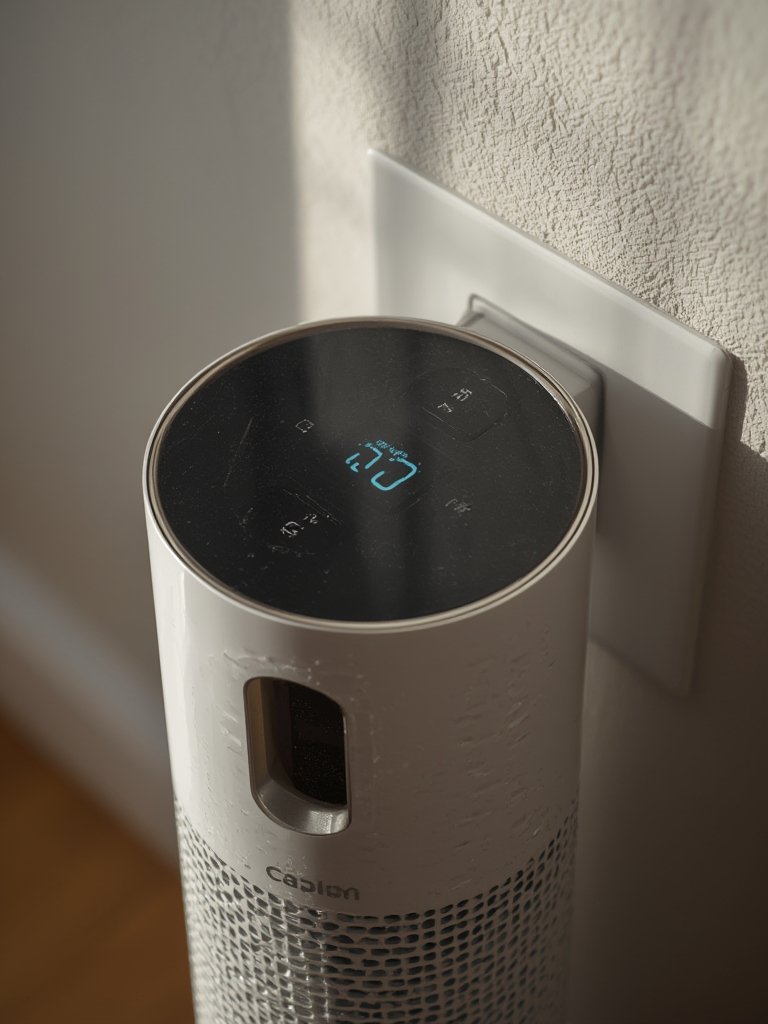
To ensure you achieve optimal performance and truly benefit from accurate CO2 readings, consider updating device firmware if available and periodically checking for any key troubleshooting steps in your product manual.
If you want to seamlessly integrate CO2 level monitoring, you can also explore products with built-in sensors, like the latest generation of home automation gadgets for air quality.
Advanced Analysis & Common Pitfalls of Air Purifier CO2 Sensors
Despite their promise, air purifier co2 sensors come with notable challenges. Missteps in installation or maintenance remain leading causes for inaccurate readings, potentially misleading you to delay ventilation or react unnecessarily. Below is an advanced look at pitfalls based on 2024 research and real-world experience.
- False Alerts Due to Poor Placement: Locating sensors near open windows, vents, or kitchen areas can cause large ppm swings, losing the real picture of room air quality.
- Calibration Drift: Neglecting calibration or using automatic modes in never-ventilated rooms can shift the sensor’s “normal” upwards, underestimating actual CO2 exposure by hundreds of ppm.
- Lack of Regular Cleaning: Sensor inlets can clog or gradually misreport data, especially in pet homes or dusty spaces.
- Ignoring Official Guidelines: ASHRAE, EPA, and other authorities recommend staying below 1,000 ppm to avoid cognitive and health effects. Many users assume that “no visible smoke or odor” means safe air, but chronic exposure to 1,200 ppm+ levels has been documentably harmful in modern classrooms and offices.
- Unrealistic Expectation of Purifiers: Most air purifiers do not reduce CO2; they remove particles and VOCs. Keeping CO2 controlled always requires fresh air—either mechanical ventilation or window opening when sensors indicate. See this external review for in-depth explanation of how CO2 is best managed.
| CO2 Level (ppm) | Cognitive Effect | Recommended Action | Guideline Reference |
|---|---|---|---|
| 400-600 | Optimal for focus, fast reaction times (baseline, outdoor air) | No action needed | Harvard, ASHRAE |
| 600-800 | No notable performance decline | Normal range for homes | CDC [2024] |
| 800-1,000 | First signs of diminished concentration | Increase ventilation if persistent | ASHRAE/EPA |
| 1,000-1,500 | 10–20% cognitive and strategic thinking drop | Immediate ventilation & check system flow | Fan et al., Harvard [2024] |
| 1,500+ | Significant health symptoms, impaired crisis response | Urgent ventilation or evacuation | South Florida study [2024] |
Regulatory bodies such as ASHRAE and the EPA have not yet mandated universal CO2 limits for homes, but most standards and research reviews converge on the 800–1,000 ppm threshold. Above this, performance drops become measurable—and sometimes dramatic. Real-time monitors help households catch these spikes early, providing a science-backed metric that goes further than old-fashioned “sniff tests.” For large living spaces, a smart humidifier combined with CO2 tracking creates a comfort zone for both mind and lungs.
Conclusion
Installing an air purifier co2 sensor provides not just peace of mind, but real, science-supported protection for brain health, focus, and long-term well-being. The evidence is clear: maintaining CO2 below 1,000 ppm during work and relaxation provides a genuine performance edge. Pay attention to sensor setup, keep up with routine care, and use automation where possible for consistent, actionable indoor air data.
Ready to upgrade your air game? Invest in a quality air purifier co2 sensor, follow these setup tips, and enjoy sharper thinking and cleaner, healthier indoor air—every single day.
FAQ
What is a safe CO2 level indoors according to current guidelines?
Most authorities and current research agree that CO2 levels between 400–800 ppm are ideal. Action is recommended whenever levels routinely exceed 1,000 ppm, as this may impair cognitive function and health.
Can air purifiers actually lower CO2 in my home?
No, standard air purifiers do not remove CO2. They filter particles and some volatile organic compounds (VOCs) but cannot decrease CO2 concentration. Only increased ventilation (fresh air) will reduce indoor CO2 levels.
How often do I need to calibrate my CO2 sensor?
Most consumer sensors rely on periodic self-calibration. Manual calibration is often recommended every 6–12 months or whenever readings appear inaccurate. Follow the manufacturer’s instructions for best results.
What mistakes should I avoid when using an air purifier CO2 sensor?
Avoid placing the sensor by drafty windows, vents, or direct appliance airflow, which can cause inaccurate readings. Also, don’t skip initial calibration, and clean the inlet regularly to maintain precision.
Will high CO2 levels always trigger clear symptoms?
No, people rarely notice high indoor CO2 until it is very elevated, but reaction time, memory, and concentration may drop even with moderate, persistent increases. That’s why a CO2 sensor is crucial for early detection.