

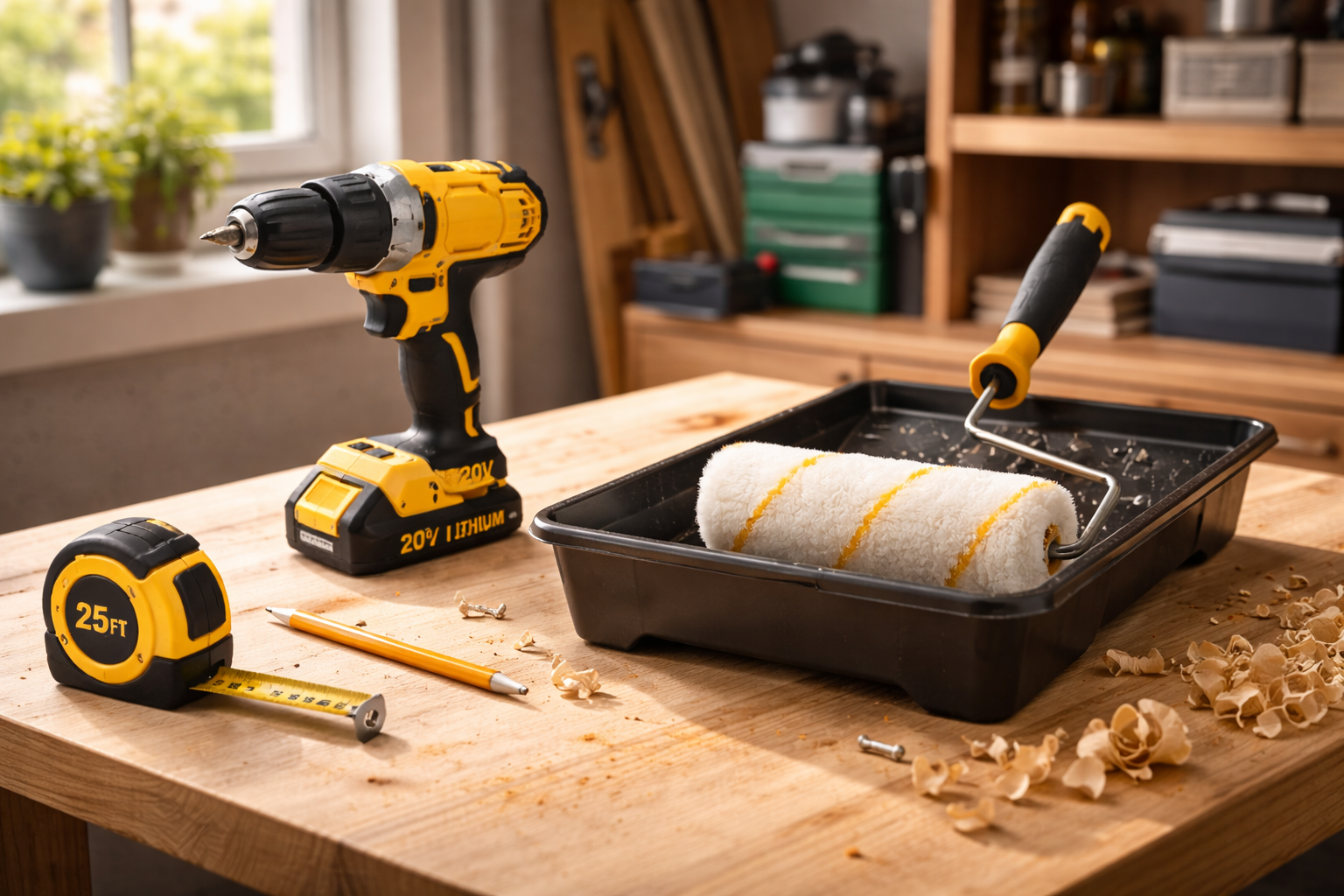
DIY home renovation projects are transforming the way homeowners upgrade their spaces in 2025. With rising costs driving many to pick up tools themselves, the promise of savings and satisfaction is real—but so are the mistakes, hidden expenses, and headaches. This guide reveals what’s working, what commonly goes wrong, and how you can get the best return on your DIY investment.
Key Takeaways
- More than half of homeowners tackled a DIY home renovation project in the past year, saving on labor but risking delays and costly mistakes.
- Most popular projects include painting, flooring, kitchen, and bathroom updates—with smart material choices and the right tools making all the difference.
- Understanding code, planning well, and using new digital tools are crucial for avoiding common DIY pitfalls and maximizing your project’s ROI.
- What Are DIY Home Renovation Projects? (The Core Concept)
- How to Do DIY Home Renovation Projects: Step-by-Step Guide
- Advanced Analysis & Common Pitfalls
- Conclusion: How to Get DIY Success in 2025
- FAQ: DIY Home Renovation Projects
What Are DIY Home Renovation Projects? (The Core Concept)
DIY home renovation projects are upgrades, repairs, and remodels managed and executed by homeowners rather than professionals. In 2025, these projects are booming, with Americans spending about $603 billion on remodeling—a significant share of which is now DIY.
Why are so many choosing DIY? Cost savings lead the list. About 52% of homeowners say they’d rather DIY to avoid labor fees. Many also crave creativity and control, hoping to increase home value or customize their space. But 2025 research reveals mixed results: 42% of DIYers go over budget and 32% encounter major delays, but they still report high satisfaction when projects work out. The bottom line—DIY projects can pay off if you plan well and avoid common mistakes.
How to Do DIY Home Renovation Projects: Step-by-Step Guide
- Set a Realistic Budget and Scope
Research average material and tool costs for your project. Allow an extra 10–20% as contingency for hidden issues like mold or damaged wiring. Don’t forget the price of tool rentals—often missed in quick web guides. - Check Codes, Permits, and Scheduling
Before you buy anything, contact your local building department. Permits are almost always needed for electrical, major plumbing, structural, decks, and egress windows. Expect rough-in and final inspections—plan your schedule to avoid work stoppages. - Gather Tools, Materials, and Documentation
Make a full list not just of building materials, but also consumables (caulk, primer, fasteners), PPE, and the specific tools you’ll need. Use a checklist app or spreadsheet to track every item. Photograph “before” conditions for future reference or sale. - Prepare the Workspace and Protect Your Home
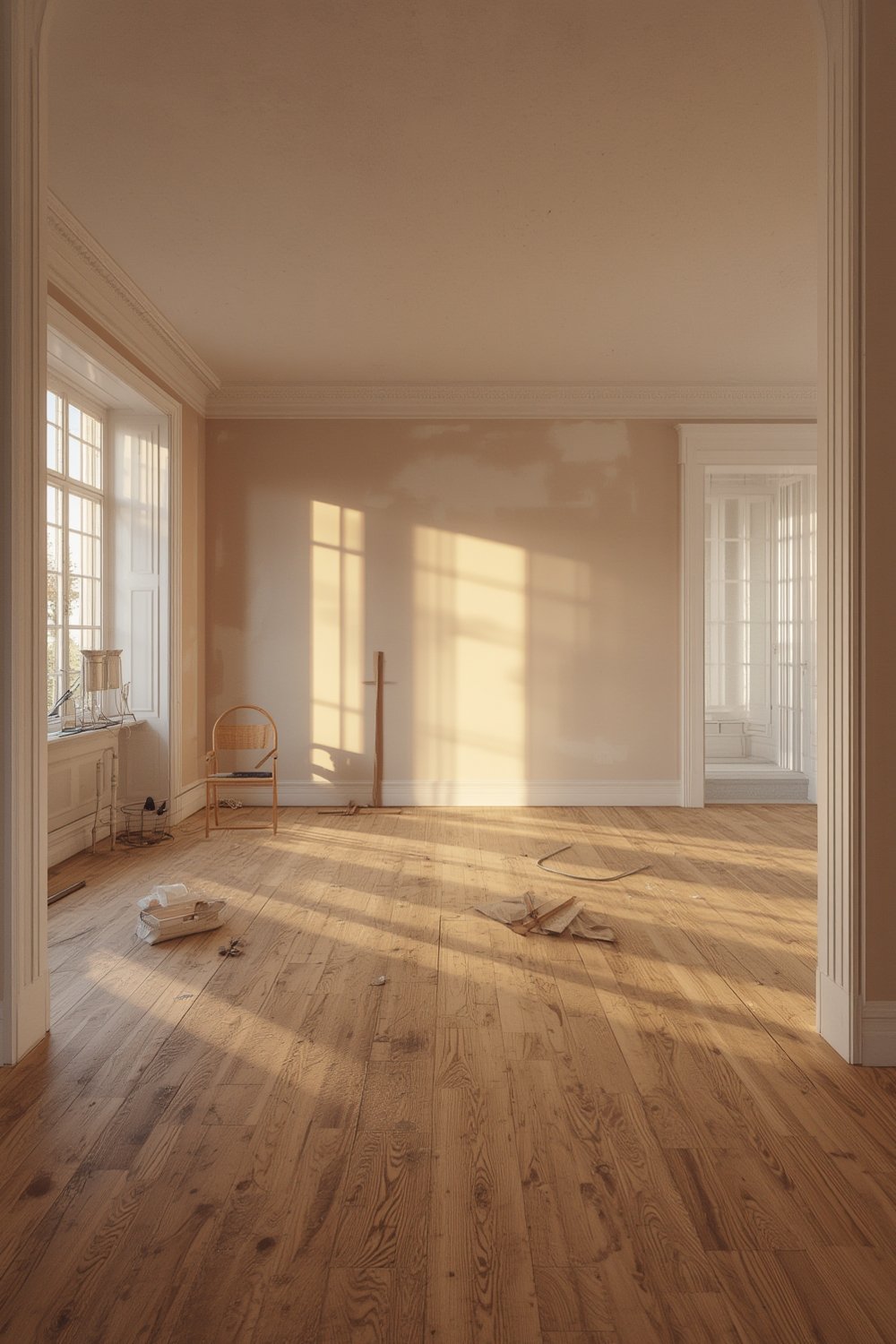
Clear the project zone, cover floors, and seal vents. Set up dust barriers for demo or cutting. Organize tools and supplies so you don’t waste time hunting for gear. - Demo and Rough Work (with Safety and Permit Checks)
Remove old finishes carefully to limit damage. For any electrical or plumbing, confirm power/water shutoff and use voltage/pipe testers before demo. Document in-wall conditions with photos for future troubleshooting. - Install, Assemble, and Finish
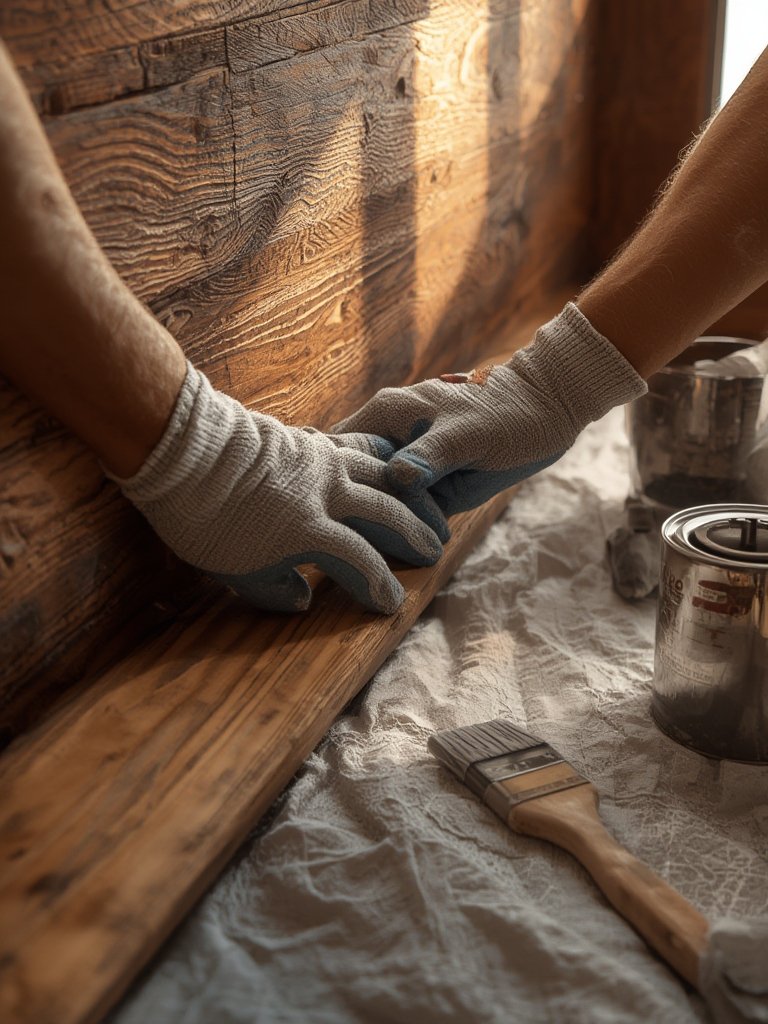
Follow manufacturer instructions and use compatible systems (e.g., waterproofing and backer board for showers). Measure twice before cutting. Pause after each step to self-inspect—fix errors early before finishing layers hide defects. - Test, Inspect, and Document
Test circuits, plumbing, waterproofing, and fit/finish before finalizing. Do a self-inspection using available checklists—don’t rely solely on product guides, which often skip key quality checks. - Final Cleanup, Photos, and Close-Out
Clean thoroughly, repair any incidental damage, and photograph the finished space. Keep all receipts, “in-wall” photos, and permitting info for future buyers and warranty questions.
- For eco-friendly upgrades and material tips, see Exploring Eco-Friendly Home Products: Ultimate Guide [2025].
- If you’re considering upgrading your outdoor space, these 7 Outdoor Patio Design Ideas can supplement your DIY skills.
Advanced Analysis & Common Pitfalls
Even with step-by-step instructions, DIY home renovation projects regularly fall victim to a handful of recurring problems. Here are the most common—and costly—pitfalls, with data-backed frequency and impact summaries:
- Time underestimation: Most projects, especially kitchens and bathrooms, take two to three times longer than guides suggest. Living in a disrupted home causes stress and conflict in 41% of households.
- Budget misses: 42% of DIYers go over budget, often due to not counting tool rentals, material waste, or fixing discovered damage. For example, a backsplash install may balloon if you find wiring issues or have to redo poor-quality tile work.
- Code and inspection failures: Permitting confusion is rampant. DIY decks, electrical, and wet-area bath upgrades are the top causes cited for failed inspections and fines after the work, especially if selling a home.
- Quality and durability mistakes: Issues like peeling paint, grout cracking, sinking floors, or mold stem largely from skipping prep steps or using mismatched materials.
- Safety lapses: PPE is often ignored in quick projects, especially when cutting, sanding, or working overhead. Improper wiring creates a fire risk in many completed DIY jobs, according to code officials. Always check for the need for smoke/CO detectors after renovations—many guides ignore this.
| DIY Project | Material Costs (2025) | Tools Needed | Typical Hours | Main Pitfall |
|---|---|---|---|---|
| Interior Painting (12’x12′ room) | $120–$220 | Rollers, brushes, ladder | 6–12 | Poor surface prep, missed edge protection |
| Backsplash (25 sq ft tile) | $110–$270 | Wet saw, trowels, spacers | 10–20 | Uneven layout, lippage, poor grouting |
| LVP Flooring (300 sq ft) | $900–$1,650 | Saw, tapping block, spacers | 16–30 | Misaligned/warped planks, expansion gap errors |
| DIY Deck Resurfacing (200 sq ft) | $950–$1,950 | Circular saw, drill, PPE | 20–40 | Improper fastening, missing flashing, code violation |
- Material choices drive results—choosing quality, sustainable options often reduces mistakes and repairs (see more here).
- Before you tackle complicated wall removal or new framing, review industry statistics on ROI and safety risks.
Many guides also fail to teach proper self-inspection, post-project moisture/GFCI checks, or key thresholds for hiring a pro. Features like battery-powered smart tools, laser levels, and 3D room scanners reduce layout and finishing errors, while new apps keep records and help manage permits.
- For project management tips, home automation, and smarter upgrades, visit our Smart Home Automation Guide or see the proven energy savings tracked in Energy Efficient Home Upgrades: 7 Best Ways to Save Money (Proven Guide).
Conclusion: How to Get DIY Success in 2025
Tackling DIY home renovation projects in 2025 is more achievable than ever, thanks to modern tools and clear information—but skipping planning, code, and quality steps leads directly to regrets and added costs. Always budget realistically, double-check safety/code needs, and invest in quality tools and materials up front. Ready to transform your own space? Choose your project, make your checklist, and start the right way today.
Want more hands-on guides and renovation tips? Browse our essential garden tools list or discover how to grow vegetables at home for even greater home value and comfort. Share your wins (and lessons learned) in the comments below!
FAQ: DIY Home Renovation Projects
How much money can I really save doing a home renovation project myself?
Depending on the project and your skills, most DIYers save 40–60% compared to professional labor. For example, a minor kitchen refresh may cost $2,500–$4,500 DIY but over $25,000 with a contractor. However, factor in your time and any tool purchases.
What is the biggest risk with DIY home renovation projects?
The top risks are unsafe electrical/plumbing work, code violations, and poor finish quality that lowers resale value. Permitting issues can also become costly if discovered during home sales or insurance claims.
Do I need permits for painting or flooring projects?
Most painting and basic floor installations do not require permits. Structural changes, electrical/plumbing moves, and significant deck additions almost always do. Always check with your local building office before starting any large changes.
Are sustainable materials worth the extra cost?
Often yes—higher quality, sustainable materials (like low-VOC paints or certified wood) tend to last longer, perform better, and may improve resale value, especially as buyers and codes increasingly demand eco-friendly solutions.
What tools or technologies can help me avoid mistakes on my first DIY project?
Laser levels, advanced stud finders, moisture meters, and digital planning apps make measurement and layout easier. Always use personal protective equipment, document as you go, and consider live video advice from pros if available through your retailer.
[…] by comparing bids and qualifying for incentives today. For more home upgrade strategies—from DIY home renovation projects to essential garden tools—Hogar Products gives you the facts to make smart, sustainable choices. […]