


Ribbed glass food storage is quickly gaining popularity among homeowners and eco-conscious shoppers looking to upgrade their kitchens and reduce plastic use. If you want a stylish, durable, and sustainable solution for keeping your food fresh, ribbed glass containers are worth considering. In this guide, you’ll find everything you need to know—what works, what doesn’t, and actionable tips for getting the most out of ribbed glass food storage.
Key Takeaways
- Ribbed glass food storage offers a blend of style, safety, and eco-friendliness, but has some practical limitations compared to plastic alternatives.
- Switching requires attention to sealing, cleaning, and mindful handling to maximize durability and maintain food quality.
- Design benefits like improved grip and stackability are often overlooked in mainstream coverage but can be significant in daily use.
- What Is Ribbed Glass Food Storage and Why Should You Care?
- How to Use Ribbed Glass Food Storage: Step-by-Step Guide
- Advanced Analysis & Common Pitfalls
- Conclusion
- FAQ
What Is Ribbed Glass Food Storage and Why Should You Care?
Ribbed glass food storage containers are glass jars, canisters, or boxes with a textured (or “ribbed”) finish—offering both decorative appeal and functional advantages. They are designed for storing dry goods, leftovers, and pantry items while helping homeowners avoid the downsides of plastic, such as chemical leaching and lack of sustainability.
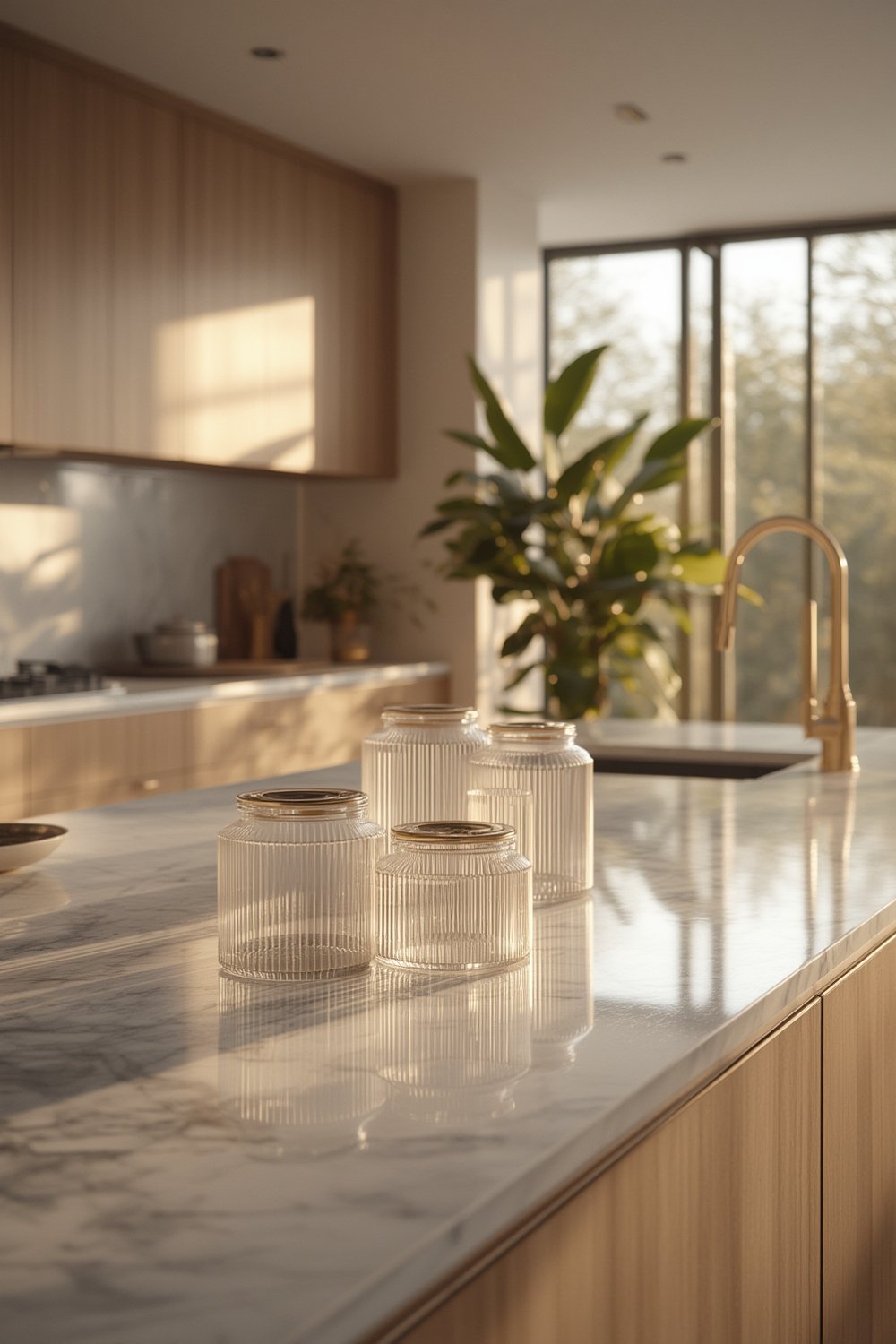
The shift toward glass is fueled by growing awareness of food safety, as more consumers worry about chemicals from plastics seeping into their meals. Glass is non-porous, doesn’t absorb stains or odors, and has a premium, clear look that showcases your food beautifully on kitchen shelves. Notably, ribbed or fluted designs add extra grip—making it easier to handle containers even with wet hands. These containers are reusable and more environmentally friendly than disposable options, making them a core recommendation in many eco-friendly home product guides.
Market data indicates overall glass usage in food storage is on the rise, with glass/metal reusables projected to reach over 24% market share globally in 2025. This trend aligns with a general push toward premiumization in kitchen products and food preservation methods that maintain flavor and texture.
Despite these benefits, ribbed glass isn’t perfect. It relies on plastic or silicone gaskets for airtight sealing (since glass-on-glass rarely produces an airtight closure), and it’s more fragile and heavier than plastic alternatives—details that we’ll tackle below.
How to Use Ribbed Glass Food Storage: Step-by-Step Guide
Getting the most out of ribbed glass food storage involves more than just putting your food inside. Here’s a practical, frustration-saving workflow:
- Choose Quality Containers: Select containers made from borosilicate or toughened glass with smooth, deep ribbing for better grip.
- Check the Lids: Ensure there’s a high-quality silicone or BPA-free plastic seal to keep air and moisture out. Test the closure before first use.
- Clean Thoroughly: Before first use and between uses, wash the containers and lids by hand or in the dishwasher. Use a soft brush (not just a sponge) to reach between the ribs.
- Dry Well: Allow both the glass jar and lid to air dry fully before filling. This prevents trapped moisture, which can lead to mold growth in pantry items like flour and snacks.
- Fill and Store: For best results, avoid overfilling. Stack carefully—most ribbed glass containers can be stacked but check the manufacturer’s specs for weight limits.
- Label Wisely: Use removable or grease pencil labels since smooth ribs may prevent stickers from sticking securely.
- Handle with Care: Glass can shatter if dropped. Store heavier containers on lower shelves to reduce breakage risks, especially if you have kids or pets.
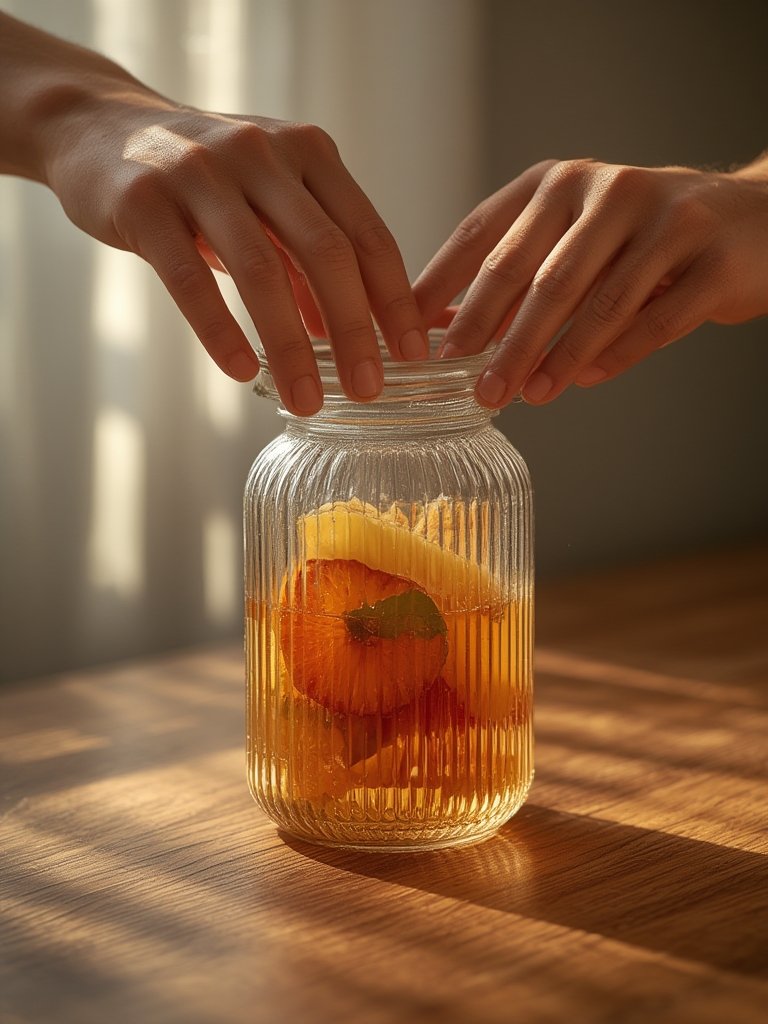
Implementing modular ribbed glass containers helps you maximize kitchen or pantry space and support an organized, minimalist aesthetic. They complement other home upgrades like simple decor and even nature-inspired design thanks to their clean, light-diffusing lines.
For garden and home-focused cooks, ribbed glass containers can be perfect for storing dried herbs or prepared veggies, pairing well with advice from guides like how to grow vegetables at home.
Advanced Analysis & Common Pitfalls
While ribbed glass food storage looks and feels premium, there are important tradeoffs. From durability to price to real-world handling, here’s what market and user data show.
| Feature | Ribbed Glass Containers | High-Quality Plastic Containers | Smooth Glass Containers |
|---|---|---|---|
| Food Safety | Excellent (non-porous, chemical-free) | BPA-free now common, but some risk remains | Excellent (same as ribbed) |
| Durability | More fragile than plastic; may resist chipping better than smooth glass if ribbing is deep | Highly durable; impact-resistant | Fragile; lacks extra grip |
| Grip & Handling | Good (ribs improve grip, less likely to slip) | Very good (lightweight, textured plastics) | Slippery, especially when wet |
| Seal/Airtightness | Good with quality gasket; may rely on plastic or silicone covers | Excellent (snap-on lids common) | Depends on lid; often similar to ribbed glass |
| Microwave/Freezer Safe | Safe for microwave/freezer if specified; lids may need removal | Commonly microwave/freezer safe, check label | As for ribbed glass |
| Cleaning | Ribs can trap food, need extra attention | Easy, often dishwasher safe | Very easy (no grooves) |
| Stackability | Often good, but deep ribs may slightly limit nesting | Excellent, space-saving designs common | Excellent |
| Eco-Friendliness | Highly reusable, recyclable, no leaching | Improving (recycled plastic options growing) | As for ribbed glass |
| Price | Higher upfront (brand and manufacturing add cost) | Lowest cost; widely accessible | Similar or slightly less than ribbed glass |
Common pitfalls and issues to know before buying:
- Fragility: Glass shatters much more easily than plastic or metal. Always check manufacturer impact ratings, especially if you have tile floors or kids in the home.
- Cleaning Grooves: Ribs trap sticky food, flour, or powder. Rinsing alone won’t suffice—use a long-handled brush to get between ridges. Avoid abrasive scrubbers to prevent clouding the glass over time.
- Airtightness: Most ribbed glass containers rely on a plastic or silicone rim for sealing. If the lid warps or the seal degrades, freshness drops sharply. Check for replacement gasket availability before purchase.
- Cost: Expect to pay more than for a basic smooth glass jar. The ribbing adds complexity in manufacturing, especially for well-fitting lids.
- Stackability Limits: Fluted textures may reduce nesting efficiency compared to perfectly smooth-sided jars. Double-check shelf height and stacking guidance on the product label.
- No User Complaint Data: While official research reports don’t highlight direct consumer regrets, the main downsides mirror general issues with all glass containers—weight, fragility, and sometimes lid compatibility (source).
If you’re evaluating other pantry upgrades, also explore essential tools for home and garden to further streamline your storage and prep workflow.
Conclusion
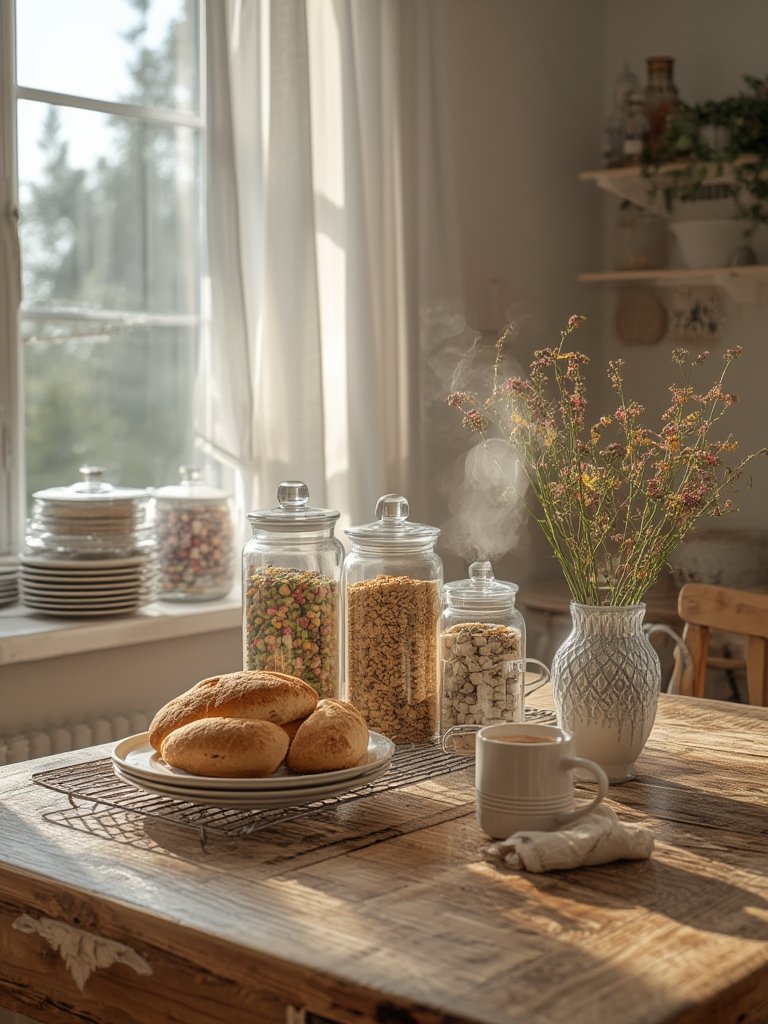
Ribbed glass food storage containers blend style, sustainability, and food safety—but they’re not without drawbacks. You get an elegant, non-porous surface that keeps your pantry looking organized while reducing plastic use. Still, you’ll need to take extra care with cleaning and handling, and invest in well-sealing lids. For those seeking a long-term eco-friendly storage switch, ribbed glass food storage is an excellent upgrade—just be realistic about your household needs and day-to-day habits.
For more on sustainable home choices, check out our ultimate guide to eco-friendly home products and discover modular storage that works for modern living. Thinking about refreshing your space even more? Dive into patio design ideas or explore minimalist decor tips for every room. Ready to make your kitchen more sustainable and stylish? Start your shift with the right ribbed glass containers today!
FAQ
Can ribbed glass food storage containers go in the microwave and freezer?
Most ribbed glass containers are microwave and freezer safe if made from borosilicate or tempered glass. Always remove the lid before microwaving and confirm the manufacturer’s specifications to avoid breakage from thermal shock.
How do you clean between the grooves of ribbed glass jars?
Use a soft-bristle brush, bottle brush, or cotton swab for stubborn food residue between ribs. Avoid steel wool or abrasive pads, which can scratch the glass and make it cloudy over time.
Do ribbed glass containers stay airtight as well as plastic?
If equipped with a high-quality silicone or plastic gasket, ribbed glass containers can be very airtight. However, gaskets may wear over time and need replacing for the best long-term seal.
Are ribbed glass food storage containers more expensive than plastic?
Yes. They typically cost more up front due to materials and manufacturing complexity. However, they last longer and don’t leach chemicals, offering value for sustainable shoppers.
What are overlooked benefits of ribbed or fluted glass storage?
Key advantages include improved grip, premium aesthetics, and sometimes better stackability or reduced slipperiness. These features are often missed in mainstream reviews and articles so far.