

Robot vacuum pet hair removal is one of the top struggles for pet owners, especially when traditional cleaning fails to keep up with relentless shedding. Today’s robot vacuums promise hands-free cleanup, but not all models are up to the unique challenge of pet fur. Here’s what really matters when choosing, using, and maintaining a robot vacuum for pet hair in 2026.
Key Takeaways
- Not every robot vacuum excels at picking up pet hair—advanced tangle-free brush designs and strong suction are essential.
- Routine maintenance is unavoidable, but the right features can drastically reduce the burdsen of cleaning tangled hair and clogged filters.
- Performance varies based on model, floor type, and how much hair your pets shed—choose wisely based on your specific needs.
- Understanding Robot Vacuum Pet Hair Solutions
- Step-by-Step Guide to Efficient Pet Hair Removal
- Advanced Analysis & Common Pitfalls
- Conclusion
- Frequently Asked Questions
Understanding Robot Vacuum Pet Hair Solutions
Robot vacuums designed for pet hair are specialized cleaning devices built to tackle fur left all over floors, carpets, and even low-profile rugs. The reason pet owners seek these solutions is simple—pet hair clings to nearly every surface and accumulates faster than you can sweep or vacuum manually. In 2026, manufacturers claim even better results thanks to stronger suction, anti-tangle rubber brushes, and self-emptying dust bins. Yet, common pain points still emerge: hair tangling, clogged filters, missed corners, and extra maintenance. Understanding these challenges will help you choose a robot vacuum that actually makes life easier for both you and your pets.
Step-by-Step Guide to Efficient Pet Hair Removal
To get the most out of your robot vacuum for pet hair, a systematic approach maximizes both cleanliness and the life of your device. Here’s how to ensure pet hair is truly a thing of the past on your floors:
- Select the Right Model:
- Look for models with dual or anti-tangle rubber brushrolls. For example, the iRobot Roomba Max 705 and MOVA P50 Pro Ultra are consistently rated high for their brush design and carpet pickup (Consumer Reports).
- Consider self-emptying models if you have multiple pets or allergy concerns. These can store 45 to 100 days’ worth of hair in automatic dirt bins (MOVA).
- Prep Your Space:
- Clear the floor of pet toys, cables, socks, or anything the robot might drag—and snag the brushes on.
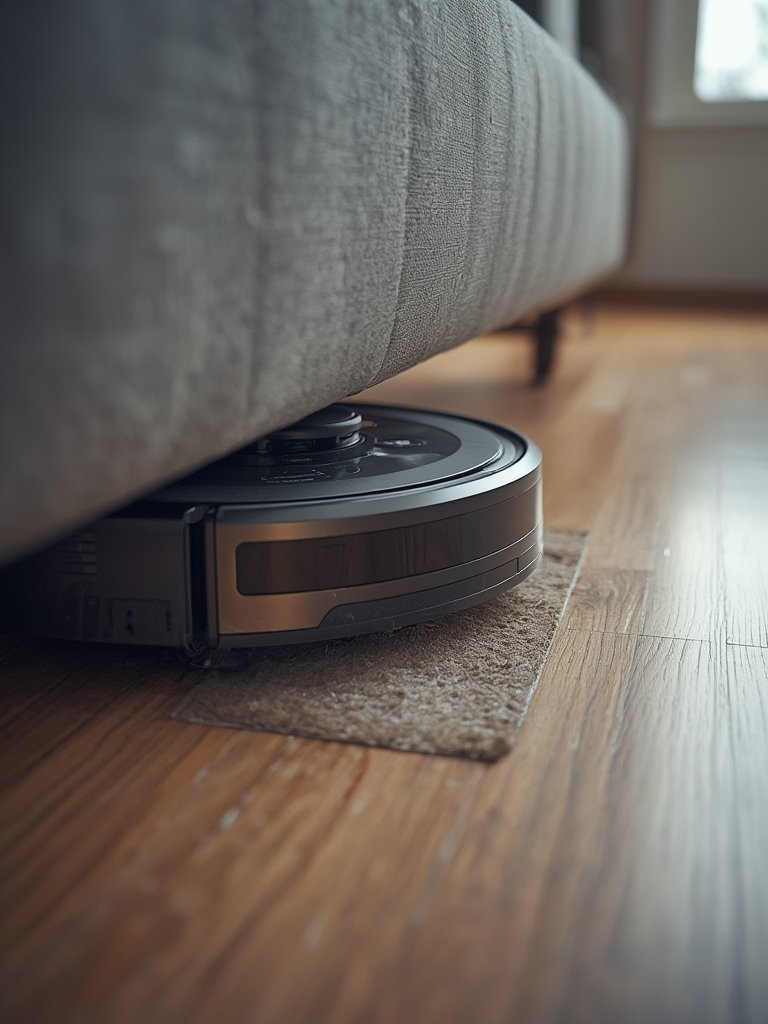
- For trouble spots (high-shed areas or under couches), block the robot’s route for a manual cleanup and then allow it to finish the remaining floor without obstacles.
- Optimize Scheduling:
- Run the robot daily if you have heavy shedders. For light to moderate shedding, three to four times per week works well.
- Use the app or onboard scheduler to stagger runs for when pets are not roaming (minimizing stress on nervous animals and preventing interference).
- Maintain Your Robot Vacuum:
- Remove the brush rolls and wheels once a week to clear hair—unless your chosen model has verified anti-tangle systems like CleanChop or TriCut rollers, which can go weeks without manual hair removal (Vacuum Wars).
- Wipe sensors and charging contacts monthly to prevent buildup that can confuse the robot’s navigation.
- Replace or clean the filter every one to two months for best airflow; filters clogged with pet dander reduce suction quickly. For deeper tips, see options for indoor air quality with allied smart products.
- Monitor Performance on Different Floors:
- Test your robot vacuum on carpet, hardwood, and tile. Some models drop to 88% carpet hair pickup, but jump to 97% on hard floors (RTINGS).
- Pay attention to edge and corner cleaning. If your robot misses corners frequently, you may need a manual sweep in those spots.
If your robot vacuum doubles as a smart device, integrate it into your schedule alongside other home automations. Doing so can enhance the overall effectiveness of your cleaning routine, just as pairing with a large smart humidifier can make daily living more comfortable for allergy sufferers.
Advanced Analysis & Common Pitfalls
It’s easy to fall for marketing promises and five-star reviews, but real-world use of robot vacuums for pet hair exposes several drawbacks and issues. Here are the most common pitfalls, how the newest models stack up, and what most reviews forget to mention:
- Hair Tangling & Manual Brush Cleaning: While tangle-free brush designs like CleanChop or dual rubber rollers now achieve 0% tangling on long (7-inch) hair, many standard models require weekly brushroll cleaning—especially in homes with multiple or long-haired dogs. This task is time-consuming and sometimes unavoidable.
- Clogged Filters & Ongoing Filter Costs: Most guides ignore the necessity and cost of frequent filter replacements. Pet fur and dander fill filters and decrease suction, so factor this recurring expense into your purchase decision.
- Variable Success on Different Floors: Some top-rated vacuums excel on tile or hardwood but score lower on thick carpet, with pickup rates dropping as much as 9% compared to bare floors (RTINGS).
- Edge & Corner Limitations: Robots may miss hair in baseboards and hard-to-reach corners, requiring occasional manual cleanup regardless of price or advertised mapping technology.
- Price Justification: Pet-specific features—anti-tangle brushes, self-emptying bins, and high suction—drive up cost, but not every home needs the highest-end option. Evaluate which features matter for your pets and floors.
- No Meaningful Distinction Between Dog vs. Cat Fur Models: Tests use Maine Coon cat hair, and brands rarely distinguish between devices for cats versus dogs. Focus instead on cleaning metrics, tangle resistance, and owner reviews.
| Model | Suction Power | Anti-Tangle Brush | Self-Emptying | Carpet Pickup Rate | Average Maintenance |
|---|---|---|---|---|---|
| iRobot Roomba Max 705 | 6,500 Pa | Dual Rubber | Yes | 92% | Weekly |
| MOVA P50 Pro Ultra | 19,000 Pa | CleanChop, TriCut Roller | Yes | 93% | 2–4 Weeks |
| Roborock S8 MaxV Ultra | 8,000 Pa | Twin Rubber | Yes | 88% | 1–2 Weeks |
| Eufy C10 T2292 | 3,000 Pa | No (Bristled) | Yes | Up to 90% | Weekly |
One aspect rarely addressed in mainstream guides is how smart displays and integrations can help monitor cleaning performance or air quality over time. Incorporating a smart air quality display alongside your robot vacuum allows you to see the benefits in reduced airborne dander and dust—a significant plus for allergy-prone households.
Conclusion
The right robot vacuum pet hair solution is never one-size-fits-all. Yet with attention to tangle-free technologies, honest maintenance expectations, and a close match between your pet’s needs and your home’s floors, you can dramatically reduce daily cleanup stress. Stay vigilant with upkeep—especially cleaning brushes and changing filters—to get the most out of your investment. Ready to reclaim your floors? Find the best robot vacuum pet hair solution for your home and enjoy less sweeping, less sneezing, and more time with your furry companions.
Frequently Asked Questions
How often should I clean the brush rolls on my robot vacuum if I have shedding pets?
For most models, weekly cleaning is recommended if you have one or more heavy-shedding pets. High-end anti-tangle brushes like CleanChop or TriCut rollers may only need cleaning every few weeks. Never let hair build up for more than a month, as tangles reduce performance and can damage the machine.
Is a self-emptying robot vacuum worth the higher price for pet hair removal?
If you have multiple pets or severe allergies, self-emptying robots significantly reduce the hassle. They store several weeks’ worth of hair, keeping your hands clean and air fresher. For single-pet homes, a standard dustbin may suffice if you empty it daily.
Do robot vacuums work on both carpet and hard floors for pet hair?
Yes, but performance varies by model. Top vacuums score 88-93% on medium-pile carpet and up to 97% on hardwood or tile. Always check how the specific model you choose handles your most common floor type.
What’s the most overlooked maintenance task for robot vacuums in pet homes?
Regular filter replacement is often missed. Pet dander and fur quickly clog filters, decreasing suction and spreading odors. Replace or clean filters monthly to keep your vacuum efficient.
Do robot vacuums really work equally well for dog and cat hair?
Lab tests usually use cat hair (such as Maine Coon fur), and brands rarely distinguish between dog and cat models. Focus instead on suction strength, effective brush design, and reviews from pet owners with similar pets.