


Smart indoor composter technology is changing how households manage food waste, making composting cleaner and more convenient for even the most urban kitchens. With rising demand for sustainable living, these devices are gaining popularity—but do they really deliver on their promises? In this guide, you’ll get actionable advice, realistic analysis, and expert insights on getting the most from a smart indoor composter, from setup to troubleshooting, plus the hard truths about market trends and pitfalls.
Key Takeaways
- Smart indoor composters are growing fast globally but come with high initial costs and practical limitations.
- Most devices promise odor control and automation, but sensor accuracy and maintenance can still frustrate users.
- Critical info is missing from most reviews—especially about long-term durability, food compatibility, and compost quality.
- The Core Concept: What Is a Smart Indoor Composter & Why Use One?
- Step-by-Step Guide to Using a Smart Indoor Composter
- Advanced Analysis & Common Pitfalls
- Conclusion
- FAQ
The Core Concept: What Is a Smart Indoor Composter & Why Use One?
A smart indoor composter is an automated kitchen appliance designed to efficiently convert food waste into compost with minimal input from the user. These devices typically use sensors, filters, heating elements, and IoT connectivity to optimize composting and keep odors at bay. The goal is to make composting effortless for apartment dwellers and busy families, who want the benefits of reducing waste without the fuss or mess of traditional backyard bins.

Globally, the smart indoor composter market is expanding rapidly, projected to grow at a compound annual growth rate (CAGR) of 12.7–13.7% from 2025 to 2033, reaching around USD 3.33–3.85 billion by 2033. In the US and other developed regions, adoption leads due to an increased focus on sustainability and the push for cleaner waste management solutions.
Compared to traditional composting, smart composters prioritize convenience: they’re compact, require little manual effort, and claim to control unpleasant smells automatically. Most units process 6 to 10 liters of food scraps per cycle—ideal for urban households. Even so, mainstream adoption lags behind due to price, technical complexity, and questions about true sustainability. For related home sustainability advice, check out ideas in this eco-friendly home products guide.
Step-by-Step Guide to Using a Smart Indoor Composter
Getting started with a smart indoor composter isn’t hard, but optimizing your results takes a bit of know-how. Here are the key steps for success:
- Choose the right model for your space and lifestyle. Look for well-reviewed models suited to the volume of waste your household produces, with a daily capacity that matches your needs.
- Unbox and set up per the manufacturer’s instructions. Most units just require plugging in, inserting a filter, and connecting to a companion app if you want smart features.
- Pre-sort your food waste. Avoid large bones, excessive citrus, or overly oily items unless your model specifies that it handles these well. This will help protect the internal mechanism and prevent odors.
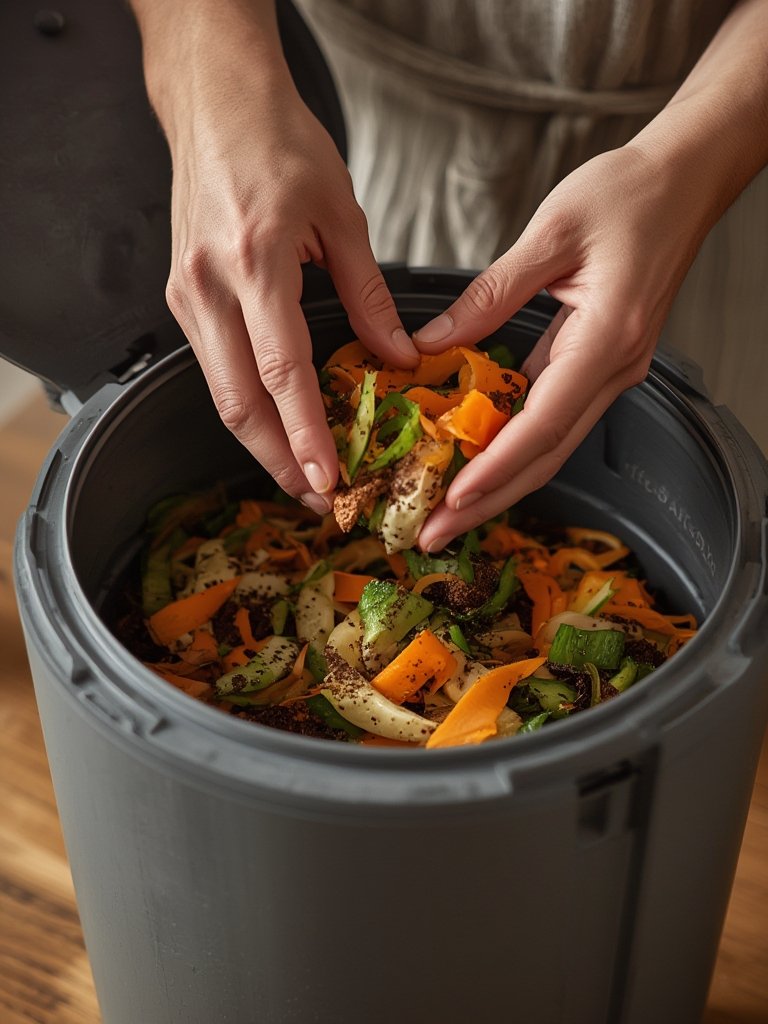
- Add scraps and run a cycle. Usually, you’ll open the lid, add food waste, close it tightly, and press a button (physical or app-based) to start composting.
- Monitor for odors or mechanical noise. Make sure filter replacements and sensor calibrations are performed according to the manual.
- Collect finished compost. Most devices need emptying every few days to a week; use the compost in houseplants or gardens (see this guide for beginner tips).
- Regular maintenance. Clean the interior and replace filters as needed to keep the device running smoothly.
For more home and garden tips, don’t miss this comprehensive ultimate list of essential garden tools.
- Monitor your device remotely if it supports app connectivity. Many smart composters send alerts when a cycle finishes or a filter needs replacement—use the notifications to avoid missed maintenance.
- If fruit flies are a problem, wipe the rim and seal regularly, as even smart models are not fully immune to pests.
- Diversify the scraps you add. A balanced carbon-to-nitrogen ratio prevents future odors and poor compost quality. When in doubt, alternate veggie peels with used coffee grounds or small amounts of paper towel.
Advanced Analysis & Common Pitfalls
Smart indoor composters promise hassle-free composting, but users should be realistic about their current limitations. Below are the most frequently reported pain points—and what to expect:
| Issue | What to Watch For | Workarounds/Alternatives |
|---|---|---|
| High Upfront Cost | Premium models can cost several hundred dollars, discouraging frugal buyers. Few government rebates or tax credits are available in the US or UK [source]. | Check local sustainability grants or company promos. Factor in operational costs (filters, electricity) before purchase. |
| Odor Control Issues | Filter and sensor failures cause unpleasant smells. Even with “odorless” claims, maintenance is required [source]. | replace filters regularly and keep the seal clean. Avoid dairy and excess meat in batches. |
| Fruit Flies | Not always fully prevented (gaps remain for small pests). | Empty chamber often, wipe rim with vinegar, and store compost bins away from windows. |
| Complex Technology | Non-tech users complain about confusing apps or unreliable sensors [source]. | Look for models with simple manual controls if you prefer “set and forget.” |
| Unclear Food Compatibility | Most brands aren’t transparent on which food types are safe to compost. | When in doubt, stick to veggie waste and avoid thick bones or shells. |
| Durability & Maintenance | Mechanical faults, broken lids, and worn seals are sporadically reported. | Clean carefully, follow all maintenance schedules, and consider warranty length before buying. |
| Lack of Data on Compost Quality | Scientific studies on compost output, actual odor levels, or elimination of pests aren’t public [source]. | Test on houseplants first to ensure quality before wider use. |
Even leading devices rarely publish precise details about processing time, daily capacity, noise levels, or energy consumption. Expect electric models to operate more quietly than outdoor tumblers, but be prepared to question marketing claims. The need for regular filter replacement and periodic maintenance is also a reality with almost every smart indoor composter.
For further ideas on designing an efficient and green home, look at the smart home automation guide and strategies for energy-efficient home upgrades.

Conclusion
The smart indoor composter is a powerful tool for reducing food waste at home, especially for urban residents who can’t access backyard solutions. While market adoption is accelerating, buyers should be aware of high initial costs, ongoing maintenance, and occasional performance issues. With careful selection and hands-on upkeep, you can turn kitchen scraps into valuable compost—just be sure to set realistic expectations and watch for limitations around food types, odor control, and device durability.
Ready to level up your eco-friendly kitchen? Consider adding a smart indoor composter and connect your waste reduction strategy with a holistic home improvement plan. Explore how to grow vegetables at home using your compost, or dive deeper into eco-friendly home products for maximum sustainability.
FAQ
Are smart indoor composters suitable for apartments?
Yes, most smart indoor composters are compact and odor-controlled, making them ideal for small urban settings and apartments with limited space.
How often do filters need to be replaced?
The frequency varies by brand and use, but most users replace filters every 2–4 months to ensure optimal odor control.
Can you compost meat, dairy, or bones in a smart indoor composter?
Not always. While some premium models claim to handle these materials, most manufacturers advise against frequent composting of meat, dairy, or large bones to avoid clogs and persistent odors.
Do smart indoor composters eliminate fruit flies completely?
No device can guarantee 100% prevention of fruit flies. Keeping the unit clean and emptying it regularly is the best strategy for minimizing pests.
Are there any tax credits or rebates for buying a smart indoor composter?
As of 2025, there are few specific rebates or tax credits for smart indoor composters in the US or UK, though some local governments may offer sustainability incentives for broader eco-friendly home upgrades.