

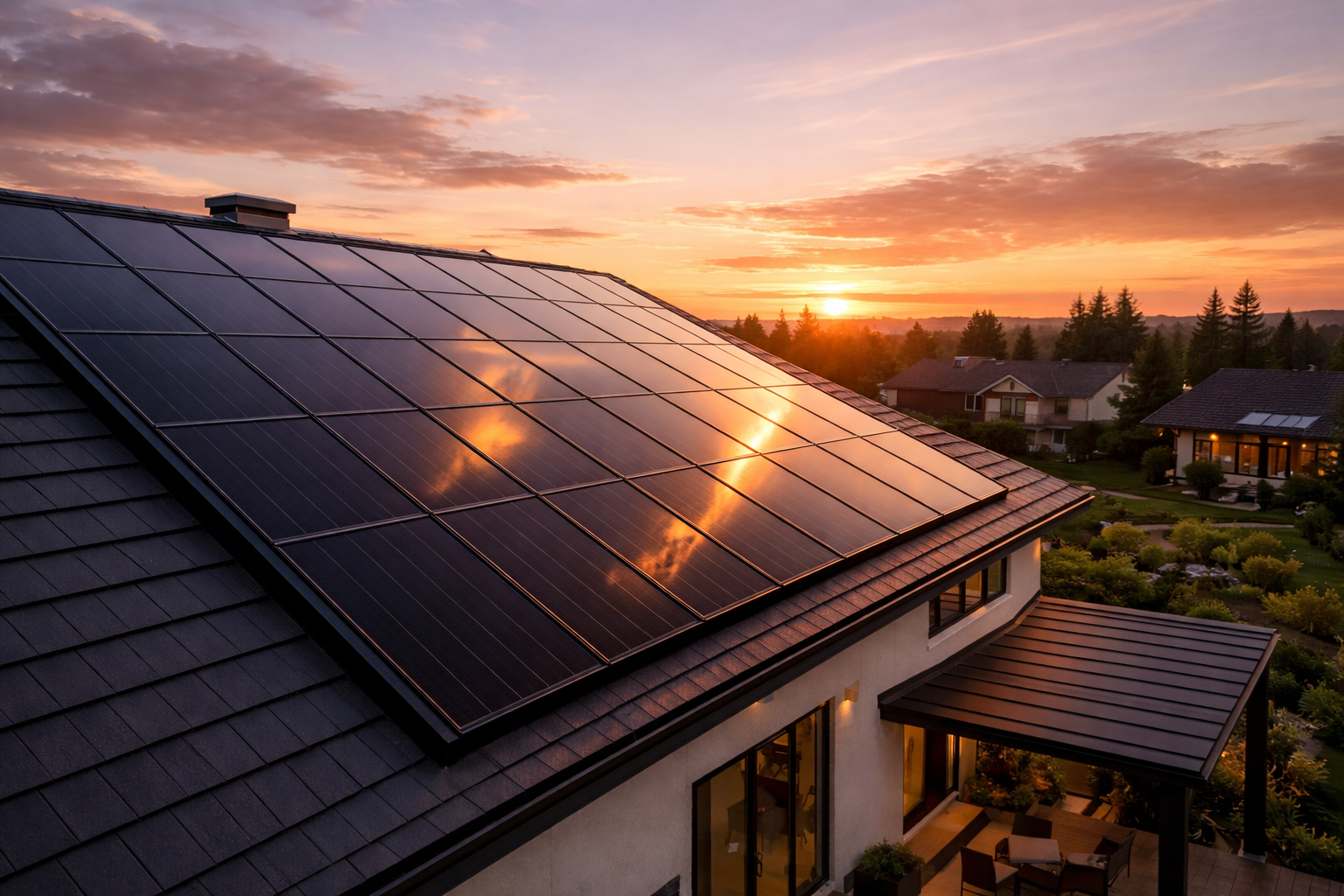
Solar panel home installation is quickly becoming the go-to upgrade for American homeowners seeking to cut energy bills, boost property value, and reduce their carbon footprint. But before making this investment, you need clear, actionable information—especially about cost, process, expected results, and the pitfalls many guides skip over. This hands-on guide delivers exactly that.
Key Takeaways
- Solar panel home installation costs, savings, and incentives vary widely by state and can dramatically affect your payback period—plan carefully.
- Unexpected costs and regulatory hurdles can trip up installations—always compare multiple quotes and read the fine print on technical specs.
- Thorough planning pays off: savvy homeowners use all available incentives and modern tech for better ROI and fewer headaches.
- What Is Solar Panel Home Installation and Why Consider It?
- Step-By-Step Guide to Installing Solar Panels at Home
- Advanced Analysis & Common Pitfalls
- Conclusion
- Frequently Asked Questions
What Is Solar Panel Home Installation and Why Consider It?
Solar panel home installation means adding photovoltaic panels to your house to capture the sun’s energy and transform it into electricity. This upgrade can lower your electric bills, increase your home’s value, and cut your dependence on the grid.
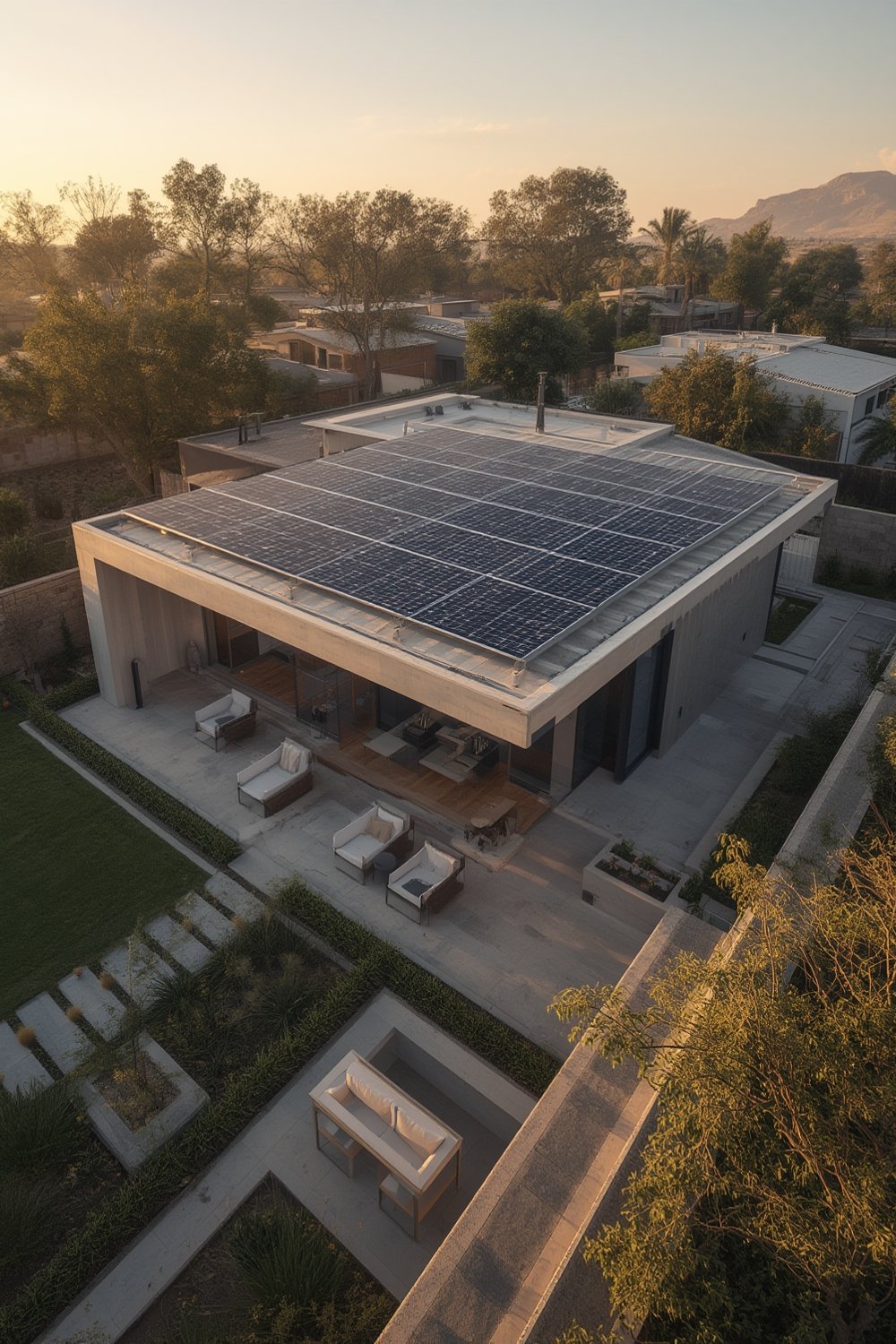
In 2024 and 2025, the average national price for a standard 6kW system is about $21,420 after applying the 30% federal Investment Tax Credit. Your final out-of-pocket price may range from $13,000 in the Southwest to over $22,000 in states like Massachusetts or Hawaii.
Payback periods run 6–12 years, depending on local electricity costs and incentives. Over 25 years, a $30,000 system can save homeowners from $27,000 to $110,000 (Energysage).
Considering the potential savings, clean energy, and rising energy costs, solar panel home installation is among the highest-ROI upgrades for many U.S. homes. Before committing, it’s essential to understand the process and the variables that can affect your outcome.
Step-By-Step Guide to Installing Solar Panels at Home
Ready to reduce your energy bill and enjoy reliable power? Use this actionable step-by-step guide for your solar panel home installation:
- Assess your home’s solar potential. Check your roof’s age, orientation (south-facing is best), shading, and available space. Many local contractors use free satellite tools or apps to help you estimate capacity. If your roof is due for replacement soon, factor that cost in.
- Compare at least three reputable local installers. Get itemized quotes in writing, including all costs: equipment, labor, permits, electrical upgrades, and grid connection fees. Pricing can swing by $8,000+ for identical homes in the same city (My Home Quoter).
- Investigate local, state, and federal incentives (IntegrateSun 2025 Cost Guide). The federal ITC takes 30% off the top through 2032. Some states (like Massachusetts) offer up to $1,000/kW rebate, while others (e.g., Alabama) offer little or none.
- Choose your system type and size. Grid-tied is the most common, using string or microinverters. Consider battery storage if blackouts are frequent in your area, but remember this adds $10,000–$15,000 to your bill.
- Finalize design and submit local permits. Your installer usually handles utility interconnection and building permits (fees range $110–$760). In older neighborhoods, expect possible grid upgrades ($1,500–$4,000) (Tesla Solar Cost Breakdown).
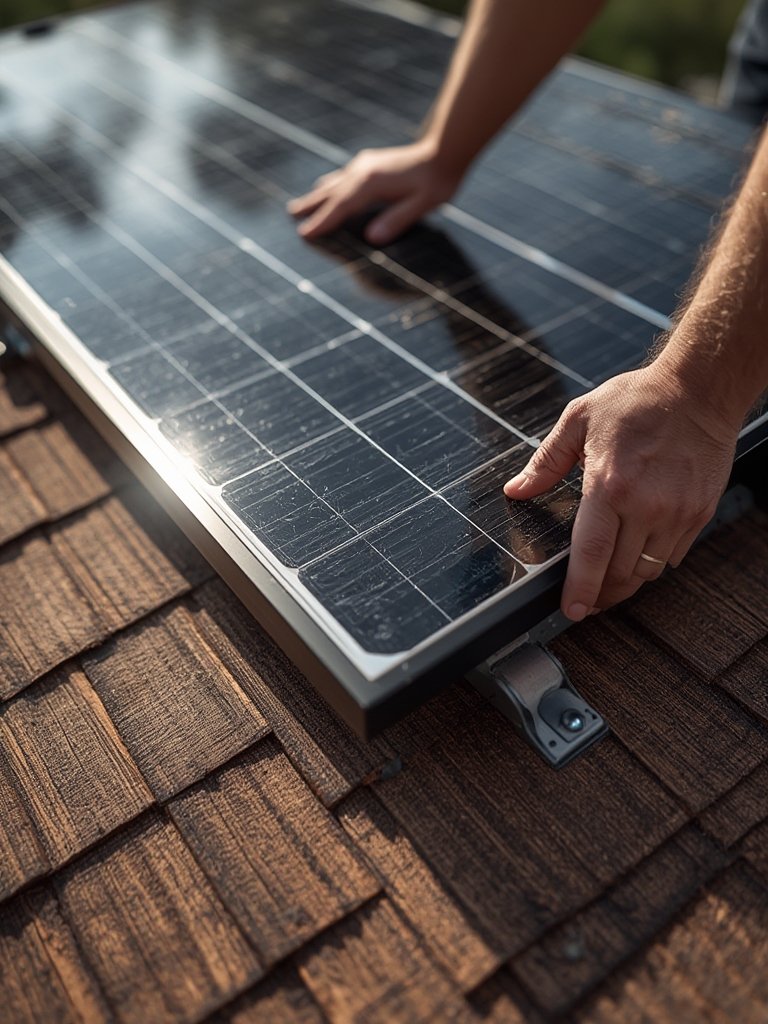
- Schedule installation. Typical 6–8 kW rooftop jobs take one to three days. Ground-mount or custom solutions may take longer.
- Inspection and activation. After city and utility inspections, your system is turned on. Set up solar monitoring so you can track your real-time ROI and system health.
For a deeper dive on how to maximize your energy savings—whether through solar, smart thermostats, or home automation—check out our Energy Efficient Home Upgrades: 7 Best Ways to Save Money (Proven Guide) and Smart Home Automation: 7 Best Ways to Save Energy.
Advanced Analysis & Common Pitfalls
Even with the right installer and local incentives, solar panel home installation isn’t always smooth sailing. Here are some of the hard truths and challenges based on real homeowner experiences and recent market data:
| Factor | Best-Case Scenario | Common Problems |
|---|---|---|
| Total System Cost | $13k–$21k after incentives | Hidden costs for permits, grid upgrades, extended timelines |
| Installation Timeline | 2–4 weeks (assessment to activation) | Permit delays, grid interconnection backlogs |
| System ROI/Payback | 6–8 years in sunniest states | 10+ years in northern markets and those without state rebates |
| Equipment Performance | Consistent output, 25-year warranty | Subpar inverter efficiency, poor warranty service, panel mismatch |
| Seasonal Production | Surplus generation in summer | Underperformance in cloudy areas, snow load issues |
| Value Added to Home | Boost to resale value and marketability | Buyers confused by lease/loan terms, roof concerns |
Key Pitfalls:
- Variable Quotes: For identical homes, bids can differ by $8,000 or more. Always compare at least three bids and ask for breakdowns of panel efficiency, inverter type, total warranty length, and performance guarantees.
- Regulatory Surprises: In some states, aging grid infrastructure means required upgrades costing up to $4,000. Permitting fees can run several hundred dollars and aren’t always included in quotes.
- Unexpected Maintenance: While panels need minimal upkeep, some homeowners report inverter failures, squirrel damage, or snow load causing costly last-minute repairs.
- Mismatch of Promises and Reality: Payback periods can stretch to a decade or more in the Northeast and Northwest—ensure you model savings with realistic local data, not national averages.

If you’re exploring other eco-friendly ways to upgrade your home, visit our Eco-Friendly Home Products: Ultimate Guide for expert, unbiased recommendations.
Conclusion
Solar panel home installation continues to deliver strong financial returns and greener living—when homeowners plan carefully, use all incentives, and choose the right technical setup. Get at least three local quotes. Scrutinize costs, incentives, and warranties. Know that total out-of-pocket can swing widely by location, but most homeowners still come out ahead financially.
Ready to take action? Start your solar journey by comparing bids and qualifying for incentives today. For more home upgrade strategies—from DIY home renovation projects to essential garden tools—Hogar Products gives you the facts to make smart, sustainable choices. Don’t wait—solar panel home installation can transform your budget and your future.
Frequently Asked Questions
What is the typical payback period for a solar panel home installation?
On average, U.S. homeowners see a payback between 6 and 12 years based on size, region, and available rebates. Sunniest states (like Arizona and California) reach payback faster while northern states may take a bit longer. For a 6kW system in California, it’s around 6.8 years, while New York is closer to 9.1 years.
Do I need battery storage with my solar panels?
No, most systems are grid-tied and work fine without batteries. Adding battery backup improves resilience against power outages but adds about $10,000–$15,000 to your project cost. Weigh your local risk of blackouts to decide.
What hidden or unexpected costs should I ask about upfront?
Ask your installer to spell out all permitting, grid upgrade, electrical, or hidden soft costs. In older neighborhoods, utility-required grid upgrades may cost $1,500–$4,000. Permitting fees typically run $110–$760. Always get a firm quote on these details.
How do solar incentives actually affect my final installation cost?
The 30% federal Investment Tax Credit (ITC) is available through 2032, bringing the net cost of a $20,000 system to $14,000. State/local incentives differ but can cut costs by another 10–30%. Massachusetts, for example, offers up to $8,000 off for homeowners. Combine all, and your out-of-pocket can drop 40–60% from your starting figure.
Which technical specs matter most when comparing solar panel systems?
Look closely at the efficiency of the panels (higher is better, 18–22% is typical), inverter type (microinverters offer better shade tolerance), and comprehensive warranties (20–25 years for panels; at least 10 years for inverters). Always compare like-for-like on these specs in every quote.