


Ultrasonic kitchen knife technology promises a cutting revolution, but does it really deliver smooth, effortless slicing for home cooks—or is it mostly industrial hype? Here’s what you need to know before investing in this buzz-worthy tool.
Key Takeaways
- Ultrasonic kitchen knives use high-frequency vibrations to cut through frozen and delicate foods with precision—but home-use benefits may not match viral video claims.
- Technical specs such as blade material, frequency range, and safety measures are borrowed directly from industrial food processing, not consumer-grade models.
- No verified household safety concerns or significant consumer complaints exist, but upfront costs and lack of long-term reviews are real drawbacks.
- How Ultrasonic Kitchen Knives Actually Work—and Why
- Step-by-Step Guide: Getting the Most from an Ultrasonic Kitchen Knife
- Advanced Analysis & Common Pitfalls
- Conclusion: Should You Try an Ultrasonic Kitchen Knife?
- FAQ: Ultrasonic Kitchen Knife Truths
How Ultrasonic Kitchen Knives Actually Work—and Why
Ultrasonic kitchen knives use a powered transducer to vibrate a titanium alloy blade at rates of 20,000 to 40,000 cycles per second (kHz). This technology softens molecular bonds and melts tiny ice crystals at the cutting surface, so the blade slides easily through tough or frozen foods. Scientific studies show this reduces friction by more than 90 percent compared to normal knives, and it cuts necessary force to one-tenth, yielding neater, cleaner slices with less sticking or crumbling. These knives are prized in industrial bread, cheese, and meat processing—yet reliable, proven home-use data remains scarce.
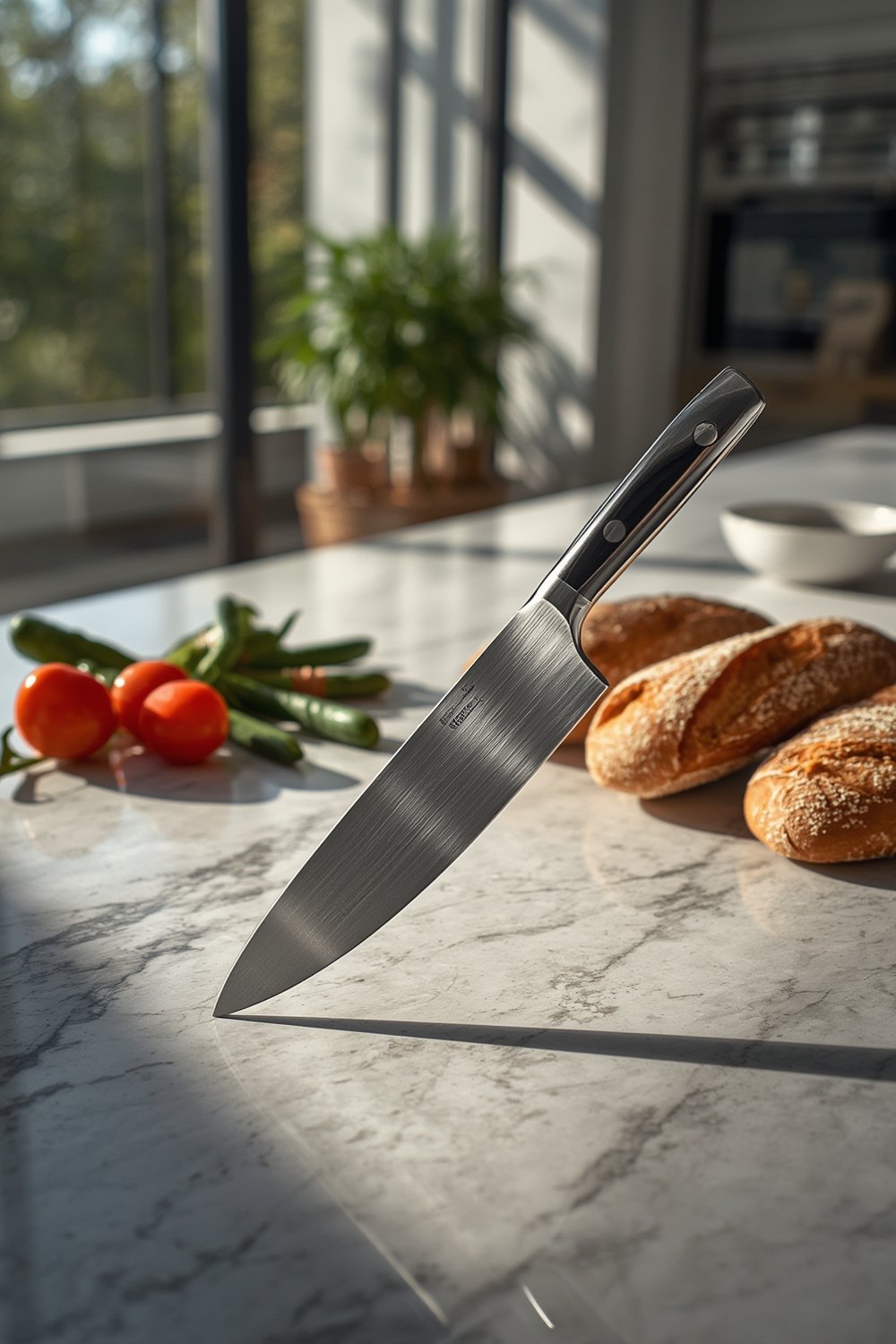
Most commercially available ultrasonic cutters feature titanium alloy blades up to 355 mm wide, powered by 1000 to 1500-watt AC sources. Their designs prioritize food safety, keeping the blade below 50°C to avoid burns and reduce bacterial transfer, while maintaining energy efficiency and minimal food waste. Still, virtually all technical information published so far comes from industrial surveys and engineering documents—not real kitchen tests.
Step-by-Step Guide: Getting the Most from an Ultrasonic Kitchen Knife
- Read the manual. Industrial ultrasonic knives require specific assembly and safe handling. If you’re using a prototype or early-stage consumer model, ensure you follow all startup and shutdown procedures.
- Prepare your ingredients. For best results, foods should be free of excess packaging and moisture, which can reduce cutting performance and safety.
- Set up your work area. Make sure you have a stable, non-slip cutting board, and keep bystanders away from the immediate space.
- Plug in and activate the device. Most designs use a pedal, switch, or trigger to activate ultrasonic vibration. Check brake settings if available, and avoid contact with the blade until stabilized.
- Test with soft foods first. Try bread or cheese before moving to hard or frozen foods. Observe how the vibration influences the cutting angle and blade movement.
- Work through frozen foods. When slicing frozen meat or fish, use smooth, steady pressure and let the blade do the work. Avoid aggressive sawing—ultrasound should provide the gliding action itself.
- Clean and power off safely. Turn off the unit before removing debris or cleaning the blade. Use only food-safe detergents recommended by the manufacturer, and never submerge powered sections.

For inspired kitchen projects beyond cutlery, learn about smart indoor composters for food waste, or get tips for growing vegetables at home if you want to maximize your culinary ingredients from start to finish.
Advanced Analysis & Common Pitfalls
Despite dramatic slices seen in online videos, household ultrasonic knives aren’t widely sold—and almost no real-world user reviews exist. Most publicized benefits are from controlled industrial settings. Here’s what you must know before investing:
- No verified home complaints: Research and product listings reveal no consumer reviews or warranty reports on durability, noise, or failures—because so few home units exist.
- Status is “industrial first”: Most features like a titanium blade, 20-40 kHz vibration, and 1000-1500W power are tailored to food factories, not kitchens.
- Unknown price points: No home model or sales data was found for 2023 or 2024; expect costs far above typical electric knives ($20–100) or even elite chef’s knives ($100–500).
- Long-term downsides possible: Without widespread consumer adoption, unknowns include blade fatigue, electrical part failures, and high replacement part costs—especially after repeated work on hard frozen foods.
- Energy and weight concerns: Industrial units benefit from stationary or robotic arms; handheld use might cause user fatigue or ergonomic strain over longer sessions.
| Feature | Standard Knife | Electric Knife | Ultrasonic Kitchen Knife |
|---|---|---|---|
| Blade Material | Steel, Ceramic | Steel | Titanium Alloy |
| Operation | Manual | Motorized | High-Frequency Vibration (20–40 kHz) |
| Price (2024) | $10–500 | $20–100 | Not listed / Industrial only |
| Performance with Frozen Foods | Low | Medium | High (Industry proven, untested in homes) |
| Cleaning/Ease of Use | Easy | Easy–Medium | Complex (must follow safety protocols) |
| Safety/Regulation | Standard | UL Listed | No household-specific standards |
For efficient home upgrades, consider reviewing advanced energy efficient home upgrades, or use modular storage solutions to optimize workspace safety and accessibility.

If you want to explore more eco-forward options or compare tech-driven kitchen upgrades, browse our eco-friendly home products guide.
Conclusion: Should You Try an Ultrasonic Kitchen Knife?
In summary, ultrasonic kitchen knives offer compelling laboratory and industrial benefits—from friction-free cutting to food-safe titanium blades and next-level efficiency. But until true consumer models hit the market, much of the viral promise remains just that—promise. Without pricing, repair, or long-term usability data, even skilled home chefs should approach with caution. If and when a household-ready ultrasonic kitchen knife launches, test it on a variety of foods, monitor long-term blade health, and always follow the latest safety guidelines.
Curious about more food tech or productivity hacks? Bookmark our guides for a smarter, safer kitchen upgrade, and share your own results or questions if you manage to try an ultrasonic or vibrating knife at home!
FAQ: Ultrasonic Kitchen Knife Truths
Do ultrasonic kitchen knives really work on frozen meat?
In industrial settings, yes—ultrasonic blades glide through frozen foods by heating ice crystals and reducing friction. However, these results are proven primarily in food processing plants, with little verified home kitchen testing documented yet. Source.
Is there any risk of burns or dangerous heat?
No, properly engineered ultrasonic cutters keep blades below 50°C during operation—well under burn thresholds. This temperature also helps prevent loss of food nutrition or taste. Source.
Are ultrasonic kitchen knives for sale to consumers in 2024?
No genuine home-grade units were found in 2024 listings; most devices are still reserved for factories, not private kitchens. Expect higher prices and little support if early versions become available. Source.
How do ultrasonic knives compare to electric knives for tough cutting jobs?
Electric knives use a basic sawing action. Ultrasonic knives apply high-frequency vibration, producing smoother cuts and requiring far less force—but these benefits have only been repeated in commercial settings, not household trials. Source.
Are there any safety or regulatory issues with using these knives at home?
No household-specific regulations exist so far. Industrial research highlights hygiene and safety—especially due to titanium blades and low blade temperatures—but user caution and protective gear are still recommended for prototypes or DIY adaptations.