

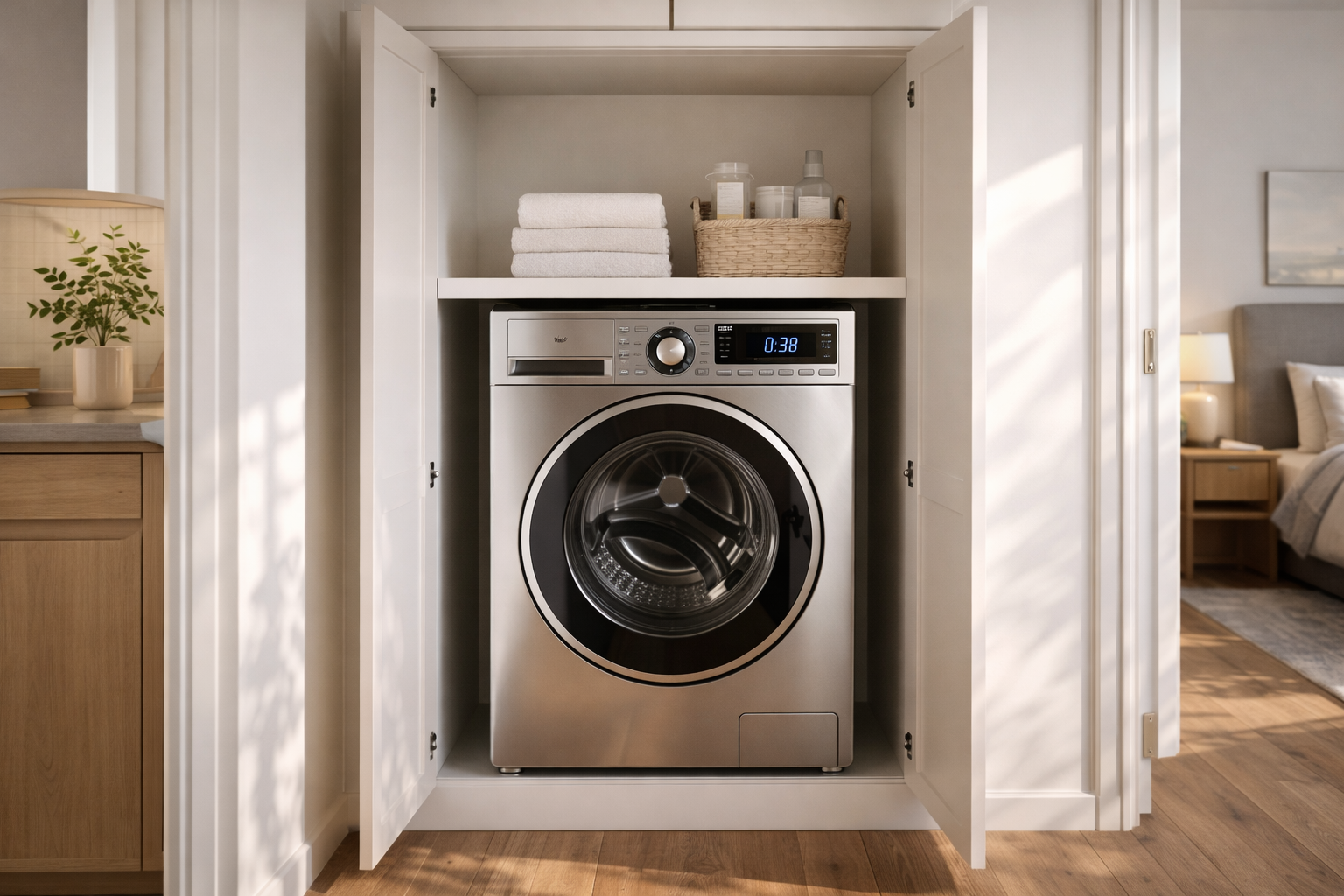
Ventless washer dryer units are revolutionizing space-saving laundry in apartments, condos, and modern homes—driven by rising urban trends and new energy efficiency standards. If you struggle with cramped spaces or want an easier, more flexible laundry solution, understanding this technology could be a game changer.
Key Takeaways
- Ventless washer dryer combos help you save space and energy, especially in small apartments or places without external venting.
- Modern heat pump technology narrows the performance gap with standard vented models and meets strict efficiency standards.
- There is a growing interest in ventless solutions, but real-life usage can include longer drying times and unique installation needs.
- What is a Ventless Washer Dryer and Why Choose One?
- How to Choose and Install a Ventless Washer Dryer: A Step-by-Step Guide
- Advanced Analysis & Common Pitfalls
- Conclusion
- FAQ
What is a Ventless Washer Dryer and Why Choose One?
A ventless washer dryer is a single machine that washes and dries clothing using a closed-loop drying system, eliminating the need for external venting. Unlike traditional vented dryers that expel warm, humid air outside, ventless models condense and recycle air internally—making them ideal for apartments, condos, older homes, and anywhere external venting is impractical or impossible.
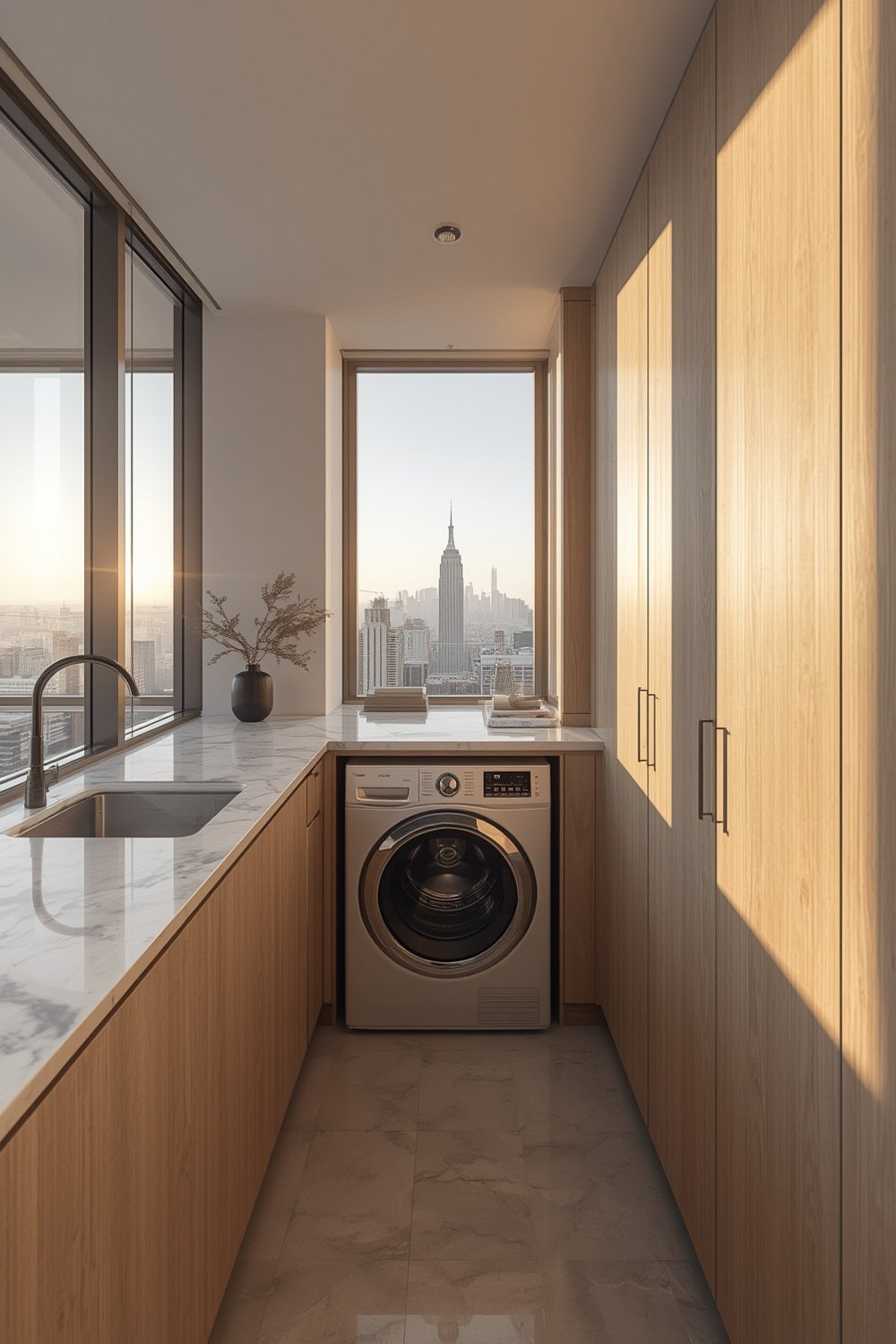
Current adoption rates highlight a shift: the US combined washer-dryer unit market, including ventless models, is expected to grow at a 9.83% CAGR from 2025 to 2030, reflecting growing urbanization and space constraints (source). Globally, washer dryer combos hit $4 billion in 2024 and are projected to reach $6.5 billion by 2033 (source). Search interest in ventless units specifically jumped 22% in the past year, with 26,000 monthly US searches in early 2025 (source).
These machines aren’t just about convenience. Many use advanced heat pump technology, slashing energy consumption and helping meet tough Department of Energy efficiency standards. They also offer flexibility for rental units—much like other modular storage solutions that maximize small spaces.
So if you’re after practical energy savings, a streamlined laundry footprint, or simply a way to do laundry without a major home remodel, ventless washer dryers provide an increasingly popular solution.
How to Choose and Install a Ventless Washer Dryer: A Step-by-Step Guide
- Assess Your Space and Needs. Measure the available laundry area. Ventless models are ideal for closets, bathrooms, or kitchens but need access to standard power (usually 120V or 220V) and a water connection. Note your average laundry volume—while some combos offer over 11kg capacity, others are compact.
- Compare Dryer Technologies. Options include basic condenser units and newer heat pump models. Heat pump units beat older condensers in energy savings and gentler fabric care but usually cost more upfront. If energy efficiency drives your decision, prioritize units with certified heat pump tech.
- Check Smart Features. Some combos offer Wi-Fi diagnostics or integration with larger smart home ecosystems. However, specifics on deep smart home compatibility are still lacking; investigate if the unit works with your other smart appliances or control apps. For inspiration, see our smart home automation guide.
- Plan for Installation. Freestanding ventless units generally don’t need professional installation or vent modifications, significantly reducing setup hassle and cost compared to vented units. Ensure you have reliable drainage—some models include built-in pumps for flexibility.
- Estimate Operating Costs. Consider the energy rating and expected use. While ventless dryers use less overall energy, some models can have longer cycle times, potentially impacting electricity costs. Ongoing maintenance usually involves cleaning lint filters and occasional descaling.
These steps mirror broader trends in energy efficient home upgrades (see our guide).
If you’re committed to sustainable choices, ventless washers fit perfectly into a suite of eco-friendly home products or DIY projects that avoid costly home renovations. As with any home appliance, always consult manufacturer installation instructions and local building codes before making changes.
Advanced Analysis & Common Pitfalls
While ventless washer dryers offer serious benefits, buyers should be aware of occasional downsides and technical barriers.
- Longer drying times: While heat pump combos have narrowed the gap, most ventless units still take longer to dry than vented dryers—especially with full loads or thick fabrics.
- Higher Upfront Cost: Heat pump technology provides energy savings but often comes at a premium.
- Drainage and Heat Buildup: Some older homes may lack optimal drainage or stable power supply. Heat buildup is less of a risk, but always allow some ventilation around the machine.
- Maintenance Nuances: Regular cleaning of filters and, in some cases, periodic descaling are mandatory for peak performance.
- Smart Home Compatibility Gaps: While Wi-Fi diagnostics are common, true integration with broader smart home systems is still limited.
The table below compares ventless combos and traditional vented dryers:
| Feature | Ventless Washer Dryer | Vented Dryer (Separate or Combo) |
|---|---|---|
| Space Needed | Minimal; fits closets, kitchens, or tight corners | Requires separate washer and vented outflow |
| Installation | No vent—just power, water, and drainage | Needs vent pipe; possible building modifications |
| Drying Time | Longer, especially for large/heavy loads | Shorter on average |
| Energy Use | Lower (especially heat pump models) | Moderate to high |
| Maintenance | Lint filter; occasional descaling | Lint filter; less descaling needed |
| Cost | Higher purchase, lower install cost | Lower purchase, higher install |
| Smart Features | Growing; Wi-Fi and diagnostics common | Dependent on model; still variable |
For detailed, evidence-based choices, investigate your home’s power, drainage, and space layout. This is as critical as when pursuing DIY home renovation projects or modular upgrades for small spaces.
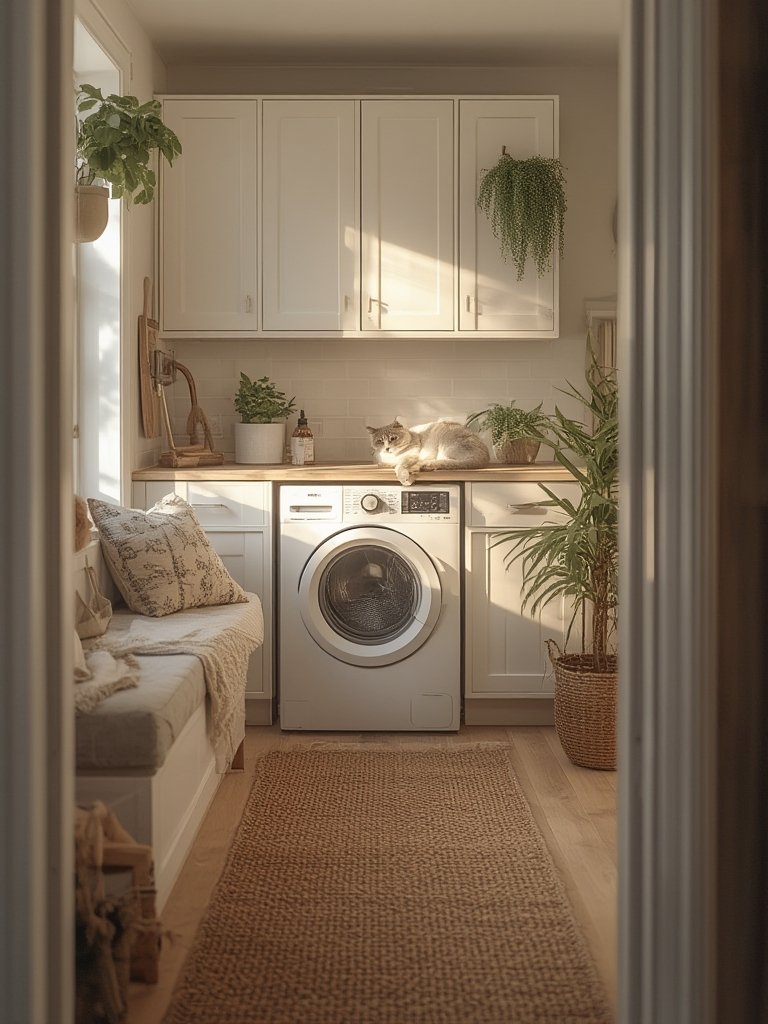
Finally, remember that few sources currently provide deep dives into total lifecycle costs. Factor in the unit’s price, expected energy usage, ease of installation, and long-term reliability when making your decision. Most buyers will see the biggest returns when using ventless technology in situations where traditional venting is inconvenient or impossible.
Conclusion
In summary, ventless washer dryer combos represent a smart, flexible choice for small living spaces and energy-conscious households. The adoption trend is accelerating for good reason—modern units can rival or surpass vented models on efficiency and fabric care, especially if you choose well-reviewed heat pump models. But it’s important to weigh longer drying times, upfront cost, and ongoing maintenance. Carefully assess your needs, your installation environment, and your desired smart home integration before making the investment. If maximizing space and minimizing energy use is your priority, the ventless washer dryer is worth your consideration.
Ready to make your laundry more efficient? Explore our in-depth ventless washer dryer guide for product picks, installation tips, and more actionable advice.
FAQ
How does a ventless washer dryer work?
Ventless washer dryers use a closed-loop drying system that condenses moisture from clothing and drains it away, without needing to vent hot, moist air outside. This makes them highly flexible for installation in almost any room with access to water and electricity.
Are ventless washer dryer combos really energy efficient?
Yes, especially models using heat pump technology. They use significantly less energy than vented models. Front-load designs also reduce water and power usage, helping homeowners save money on utility bills.
Do ventless washer dryers take longer to dry clothes?
Generally, yes. Although new heat pump systems are closing the gap, ventless units still often require longer drying times compared to vented dryers, particularly with bulky or heavy loads.
Is installation complicated?
No major modifications are needed. Ventless washer dryers only require a water source, drainage, and electrical outlet. They are freestanding and well suited for apartments, rentals, and older homes lacking traditional dryer venting.
Can I connect a ventless washer dryer to my smart home system?
Some units support Wi-Fi diagnostics and basic remote controls, but deep integration with most smart home ecosystems is still uncommon. Research the model’s smart features if connectivity is important to you.